 WhatIs.site
 Science
The natural world explained — physics, chemistry, biology, astronomy, and the scientific method itself.
247 articles — Page 3 of 9

What Is Environmental Chemistry?
Environmental chemistry studies chemical processes in air, water, and soil. Learn about pollutants, their fate in ecosystems, and green chemistry solutions.

What Is Environmental Science?
Environmental science studies how natural and human systems interact. Learn about ecosystems, pollution, climate change, conservation, and sustainability.

What Is Ethnobotany?
Ethnobotany studies how people use plants for food, medicine, shelter, and ritual. Learn about traditional knowledge, medicinal plants, and conservation.
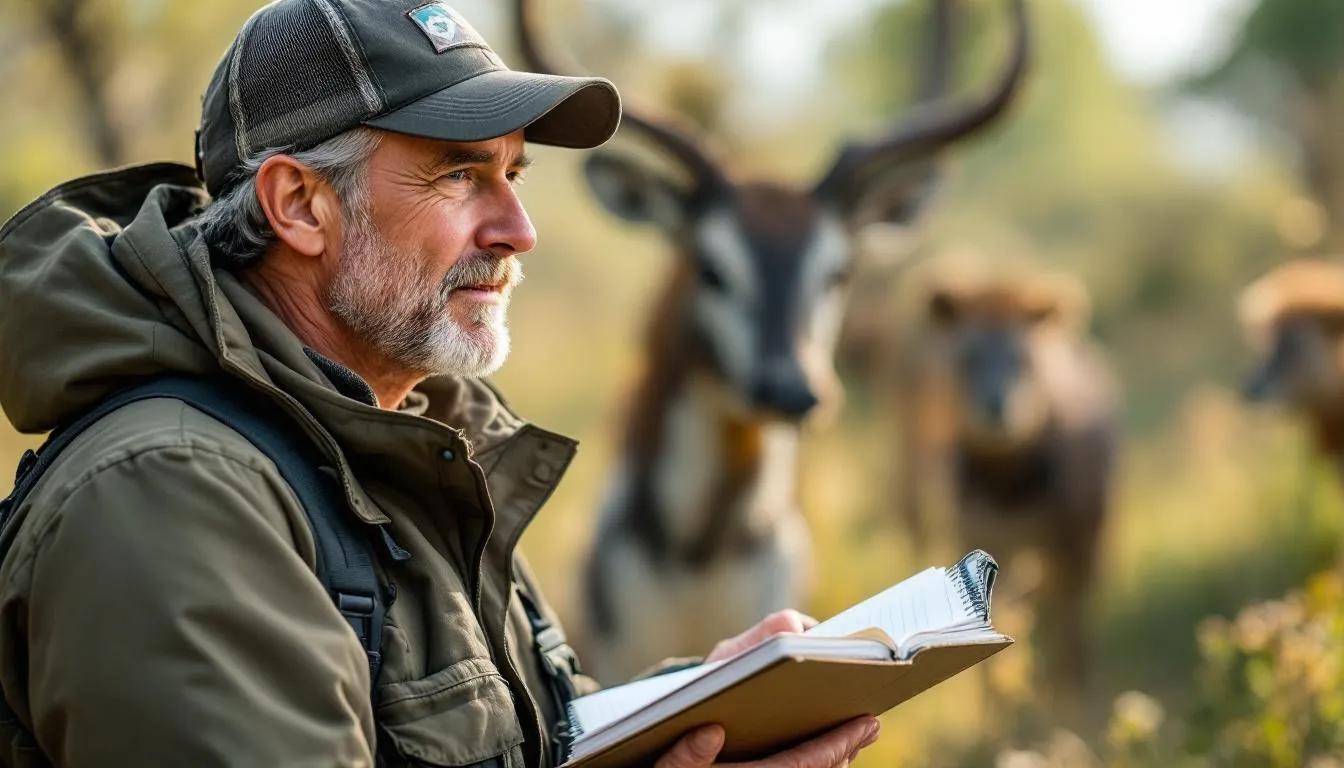
What Is Ethology?
Ethology is the scientific study of animal behavior, particularly as it occurs under natural conditions.

What Is Evolutionary Biology?
Evolutionary biology studies how life changes over generations through natural selection, genetics, and adaptation. Learn about speciation, fossils, and more.

What Is Exoplanetology?
Exoplanetology is the branch of astronomy and planetary science devoted to the study of exoplanets — planets that orbit stars other than our Sun.

What Is Experimental Physics?
Experimental physics tests theories through observation and measurement — how physicists design experiments, collect data, and push the limits of knowledge.

What Is Fermentation?
Fermentation is a metabolic process where microorganisms convert sugars into acids, gases, or alcohol. Learn how it works in food, drinks, and industry.
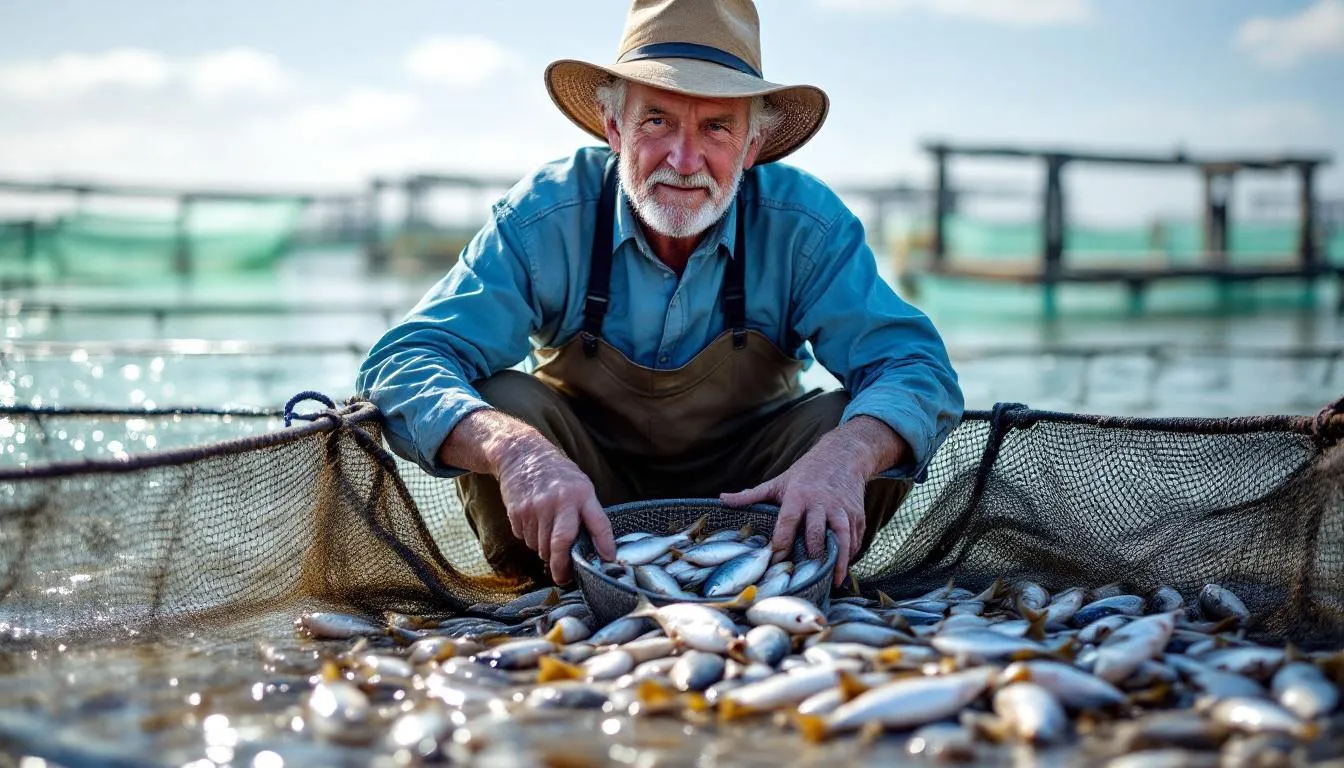
What Is Fish Farming?
Fish farming, formally called aquaculture, is the practice of breeding, raising, and harvesting fish, shellfish.

What Is Fluid Dynamics?
Fluid dynamics is the branch of physics that studies how fluids — both liquids and gases — move and the forces acting on them during that motion.

What Is Food Chemistry?
Food chemistry is the branch of chemistry that studies the chemical composition of food, the chemical changes food undergoes during processing, cooking.

What Is Food Science?
Food science is the applied discipline that uses biology, chemistry, and engineering to study the nature of food, the causes of its deterioration.

What Is Forensic Anthropology?
Forensic anthropology is the application of physical anthropology and human osteology (the study of bones) to legal proceedings.

What Is Forensic Psychology?
Forensic psychology is the application of psychological science and clinical practice to questions and issues relating to law and the legal system.

What Is Forensic Science?
Forensic science applies scientific methods to criminal and civil investigations, from DNA analysis and fingerprinting to toxicology and digital evidence.
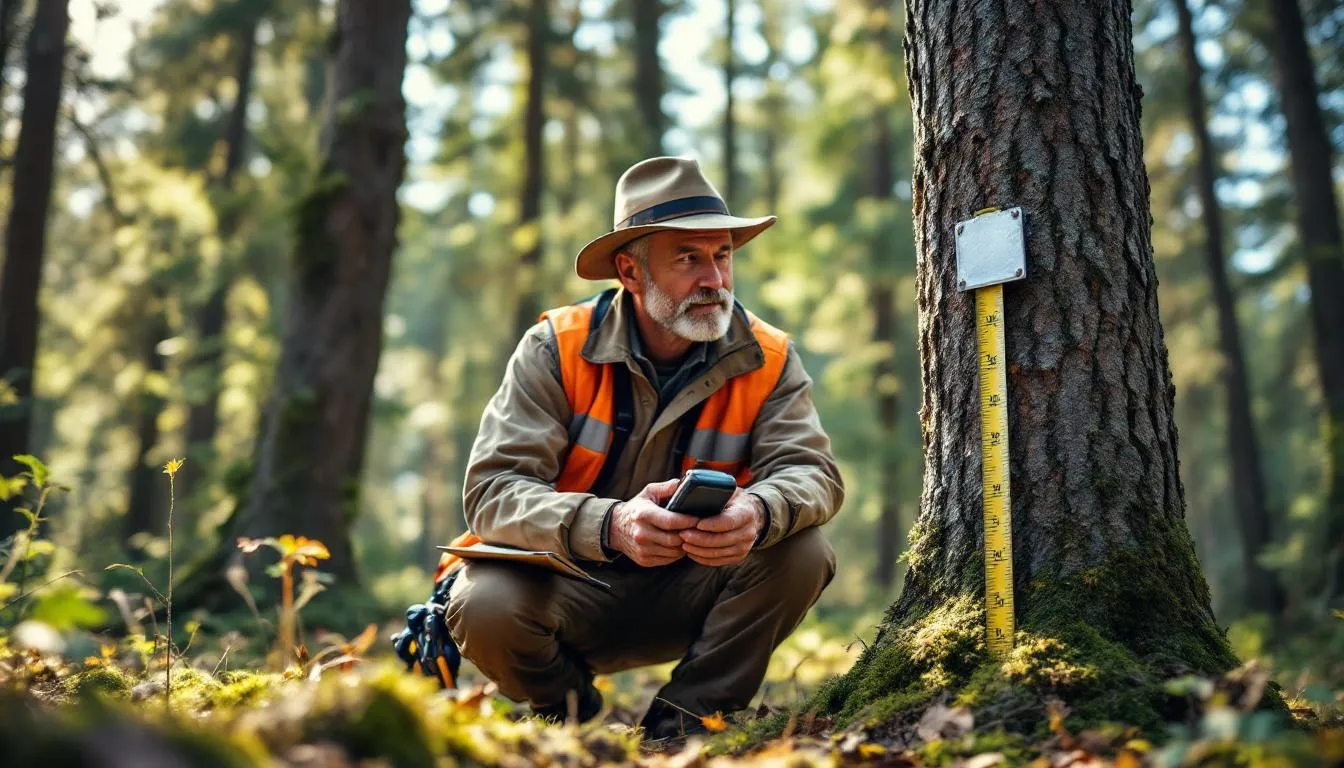
What Is Forestry?
Forestry is the science, art, and practice of managing forests, woodlands, and associated resources for human benefit and ecological health.
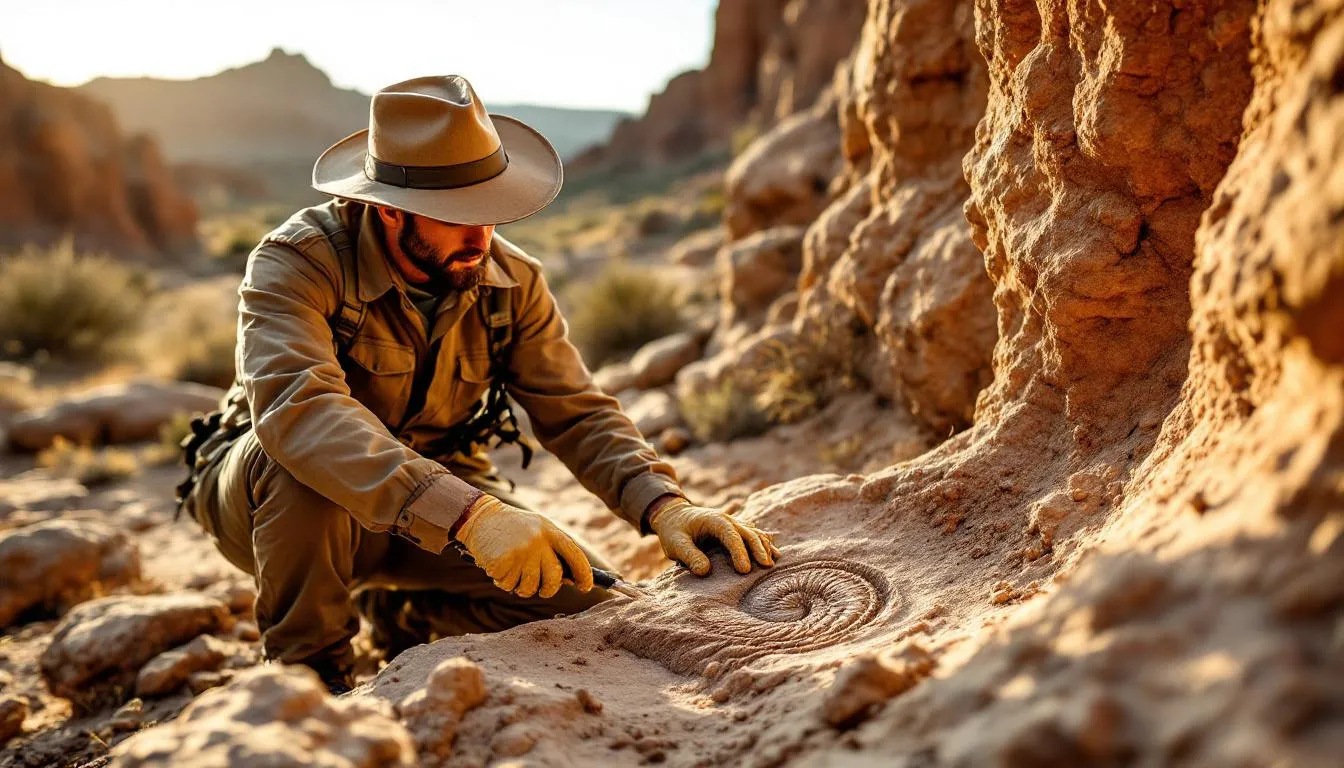
What Is Fossil Collecting?
Fossil collecting is the practice of searching for, extracting, and preserving the fossilized remains and traces of organisms that lived in the geological.
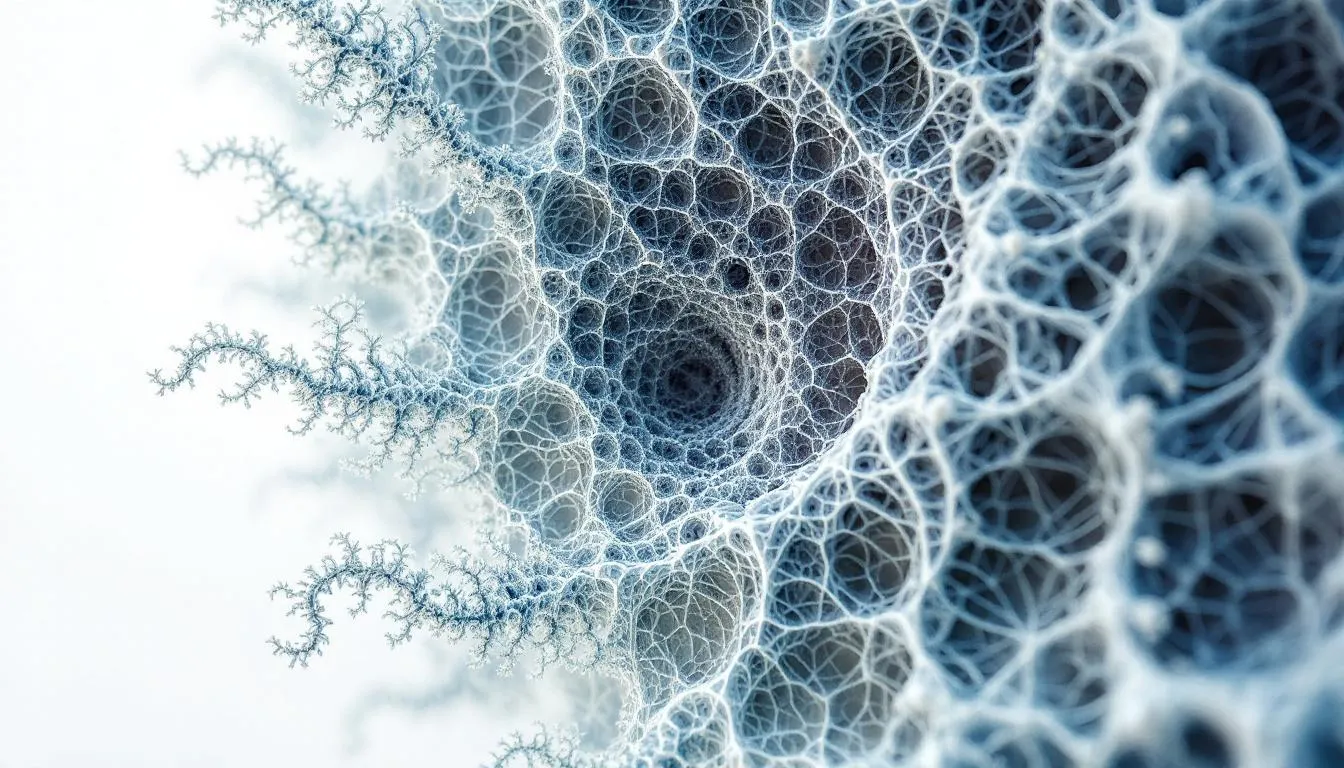
What Is Fractal Geometry?
Fractal geometry is a branch of mathematics that studies shapes and structures exhibiting self-similarity.
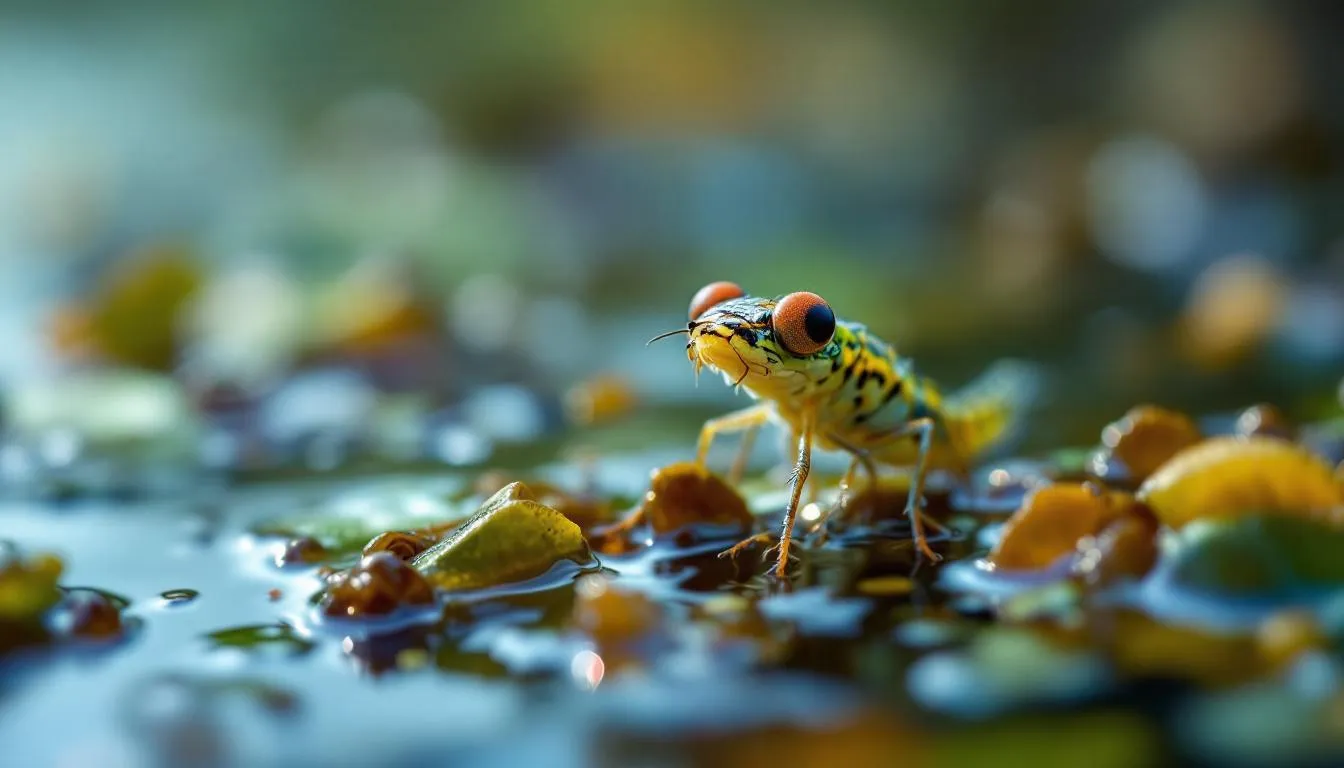
What Is Freshwater Biology?
Freshwater biology is the scientific study of living organisms and ecological processes in freshwater environments — rivers, streams, lakes, ponds, wetlands.

What Is Gas Dynamics?
Gas dynamics — also called compressible flow or compressible fluid dynamics — is the branch of fluid mechanics that studies the motion of gases when density.

What Is General Relativity?
General relativity is Albert Einstein's theory of gravitation, published in 1915.

What Is Genetics?
Genetics studies genes, heredity, and variation in living organisms — from DNA structure to gene editing, inheritance patterns, and modern biotechnology.

What Is Geochemistry?
Geochemistry is the scientific discipline that uses chemistry principles to study the composition, structure.
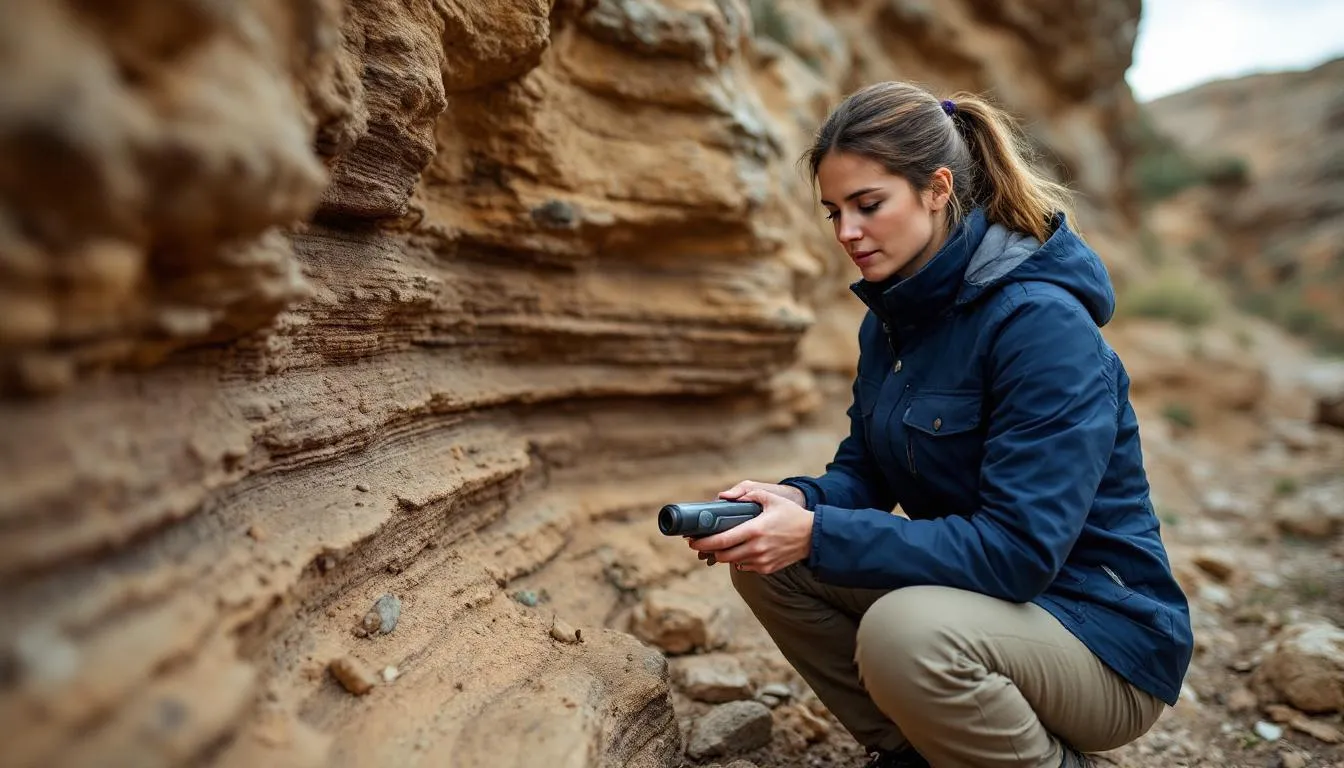
What Is Geochronology?
Geochronology is the science of determining the ages of rocks, fossils, and geological events using radiometric dating and other time-measuring methods.
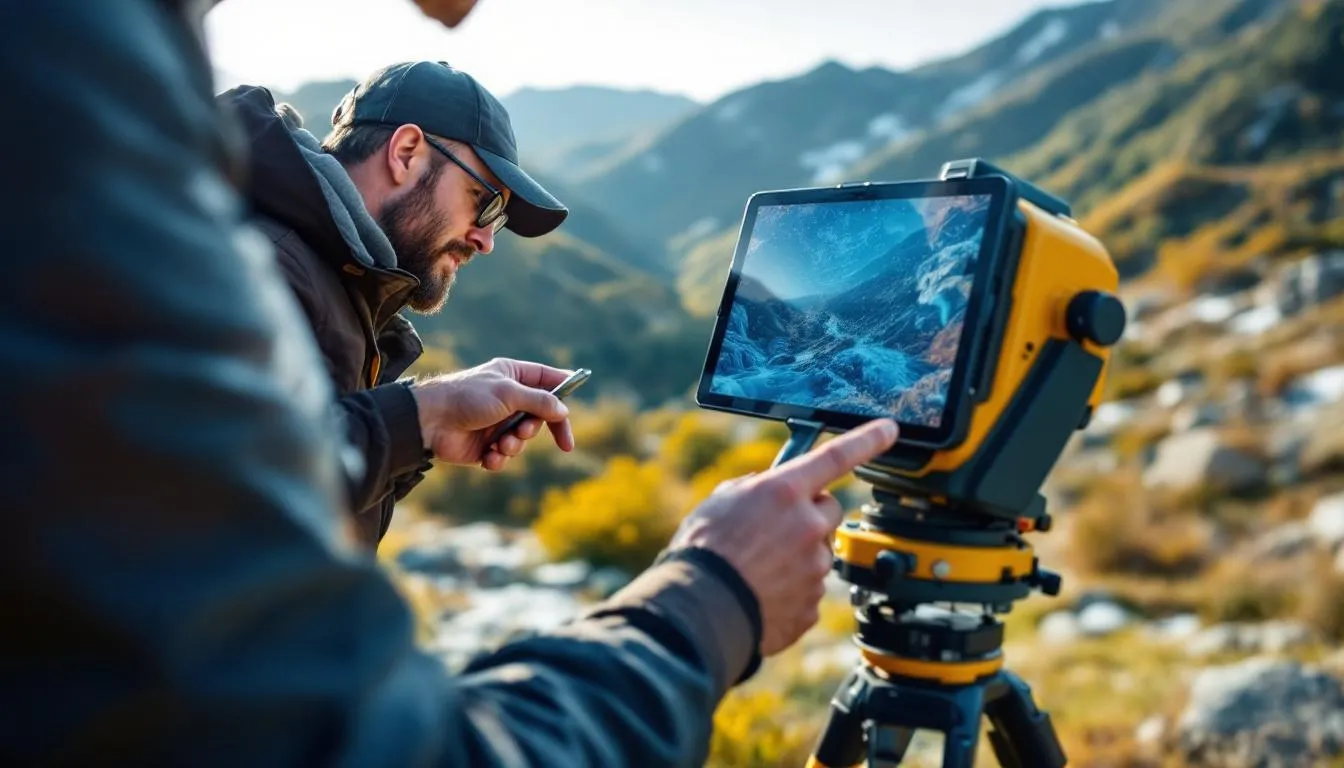
What Is Geodesy?
Geodesy is the science of measuring and understanding Earth's shape, gravity field, and orientation in space — the foundation of GPS, mapping, and surveying.

What Is Geography?
Geography is the scientific study of places, spaces, and the relationships between people and their environments.

What Is Geology?
Geology is the scientific study of Earth — its structure, composition, the physical and chemical processes that shape it.

What Is Geomagnetism?
Geomagnetism is the study of Earth's magnetic field — its origin in the liquid iron core, its role shielding life from solar wind, and its periodic reversals.

What Is Geometry?
Geometry is the branch of mathematics studying shapes, sizes, positions, and spatial relationships. Learn about Euclidean, non-Euclidean, and modern geometry.
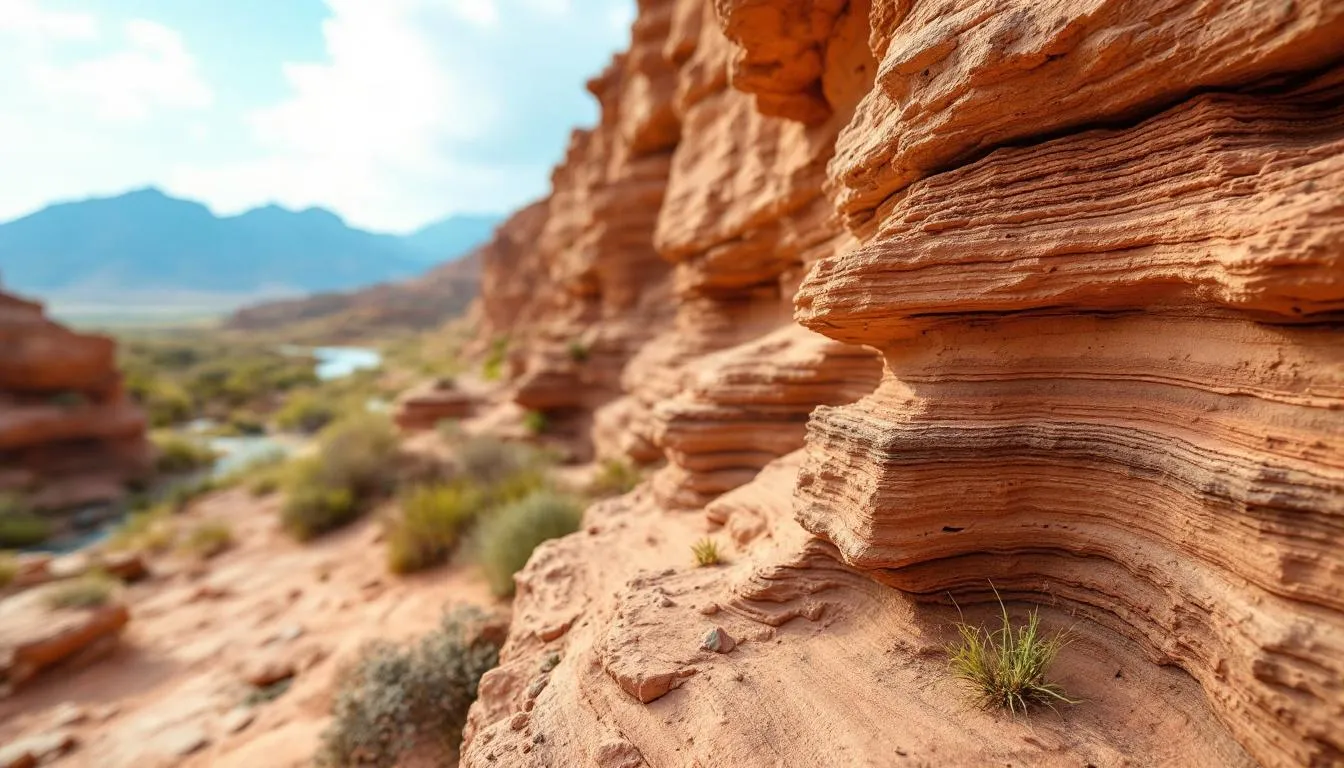
What Is Geomorphology?
Geomorphology studies how Earth's landforms are shaped by erosion, weathering, tectonics, and other forces. Learn about the science behind landscapes.