 WhatIs.site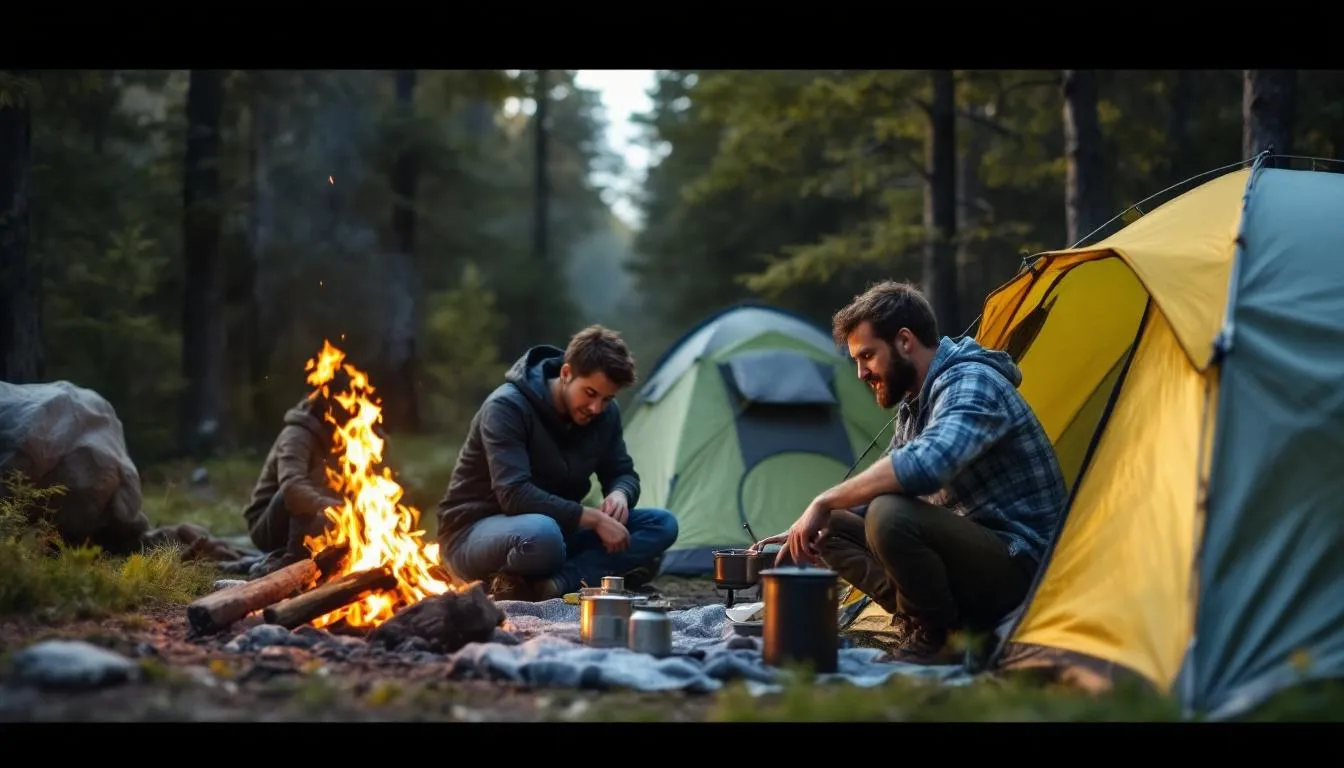
Table of Contents
What Is Camping?
Camping is the recreational practice of staying overnight outdoors, typically in natural settings, using temporary shelter like tents, recreational vehicles, or hammocks. It ranges from developed campgrounds with electrical hookups and flush toilets to remote wilderness sites accessible only by hiking — and everything in between.
Why People Sleep on the Ground Voluntarily
The appeal of camping is straightforward once you’ve experienced it: sleeping in the woods, waking to birdsong, cooking over a fire, and spending extended time in nature resets something in your brain that indoor living depletes.
Research supports this. Studies published in Current Biology found that camping for even a weekend recalibrates circadian rhythms, with campers’ melatonin levels shifting earlier and sleep quality improving. Exposure to natural light cycles, reduced screen time, and physical activity combine to produce measurable physiological benefits.
There’s also a social dimension. Camping with family or friends creates shared experiences and uninterrupted time together that’s increasingly rare in daily life. Without screens, scheduled activities, or the distractions of home, relationships deepen around campfires, trail conversations, and cooperative tasks like setting up camp and cooking meals.
Types of Camping
Car camping — You drive to a campground, park next to your campsite, and set up. Most popular type. Access to a vehicle means you can bring coolers, camp chairs, large tents, and comfort items. National and state park campgrounds, KOA campgrounds, and private campgrounds cater to car campers.
Backcountry camping — Hiking into remote areas and camping where no developed sites exist. Requires carrying all gear, food, and water treatment. More physically demanding but offers solitude and immersion in wilderness. Permits are often required.
RV camping — Recreational vehicles (motorhomes, travel trailers, camper vans) provide mobile shelter with beds, kitchens, and sometimes bathrooms. RV parks offer hookups for electricity, water, and sewer. The RV industry generated over $28 billion in 2023.
Dispersed camping — Camping on public lands (national forests, BLM land) outside developed campgrounds. Usually free, with no amenities. Increasingly popular as campground reservations become harder to secure.
Glamping — Pre-furnished luxury camping accommodations: safari tents, yurts, treehouses, geodesic domes. Prices range from $100 to $1,000+ per night. Glamping has introduced outdoor sleeping to people who would never pitch a tent.
Essential Skills
Fire building — Select a safe location, gather tinder (small, dry material that catches easily), kindling (small sticks), and fuel wood (larger pieces). Build from small to large. Many campgrounds prohibit ground fires and require fire rings or fire pans. Always fully extinguish fires before leaving.
Camp cooking — Camp stoves (propane or liquid fuel) are the most practical cooking method. Cast iron cookware is traditional and performs beautifully over campfires. Meal planning for camping emphasizes foods that are easy to transport, prepare, and clean up. Dutch oven cooking — slow-cooking in a heavy cast iron pot with coals on the lid — produces remarkably good food.
Shelter setup — Practice setting up your tent at home before your first trip. Arriving at a campsite in fading light with an unfamiliar tent is a recipe for frustration. Site selection matters: look for level ground, drainage away from the tent, natural wind protection, and safe distance from water sources and dead trees.
Wildlife safety — Store food in bear-resistant containers or hang it from trees in bear country. Keep a clean camp. Never approach or feed wildlife. Know the specific risks of your area — bears, mountain lions, moose, venomous snakes — and appropriate responses.
Environmental Responsibility
Leave No Trace principles guide responsible camping:
- Plan ahead and prepare
- Travel and camp on durable surfaces
- Dispose of waste properly (pack out everything you pack in)
- Leave natural objects where you find them
- Minimize campfire impact (use existing fire rings, keep fires small)
- Respect wildlife
- Be considerate of other visitors
These principles become more critical as camping popularity grows. Popular areas in national parks now receive far more camping demand than they can sustainably accommodate. Reservation systems for campgrounds in Yosemite, Yellowstone, and other popular parks often fill within minutes of opening.
The Camping Boom
Camping participation has surged since 2020. The pandemic drove people outdoors in unprecedented numbers, and many have stayed. First-time campers — younger, more diverse, and more urban than the traditional camping demographic — are reshaping the outdoor recreation industry.
This growth creates both opportunities and challenges. More people experiencing nature builds broader support for conservation. But increased usage strains trails, campsites, and ecosystems — particularly in areas that were already heavily visited.
The industry is responding with expanded campground capacity, improved reservation systems, and educational programs targeting new campers. Meanwhile, the equipment market offers an increasingly wide range of options, from ultralight backpacking gear for minimalists to luxury tent systems with built-in LED lighting and Bluetooth speakers.
Getting Out There
If you’ve never camped, start simple: reserve a site at a developed campground, borrow or rent equipment, and go for one night. State parks often offer the best combination of natural beauty, reasonable fees, and adequate facilities for beginners. Bring more warm layers than you think you’ll need (nights are colder than expected), bring a good sleeping pad (ground insulation matters more than sleeping bag quality), and bring something to do after dark (cards, a book, conversation topics).
The first night might be uncomfortable. The ground is hard, the sounds are unfamiliar, and the lack of walls feels strange. The second night is easier. By the third, you might start wondering why you live indoors so much.
Frequently Asked Questions
How many Americans go camping each year?
According to the KOA North American Camping Report, approximately 58 million U.S. households include at least one camper, with over 80 million Americans camping annually. Camping participation surged during the COVID-19 pandemic as people sought safe outdoor recreation, and participation has remained elevated since.
What is the difference between camping and glamping?
Traditional camping involves setting up your own shelter (tent, hammock, or vehicle) with minimal amenities. Glamping (glamorous camping) provides furnished, pre-set accommodations — luxury tents, yurts, treehouses, or cabins — with beds, electricity, and sometimes running water and heating. Glamping offers the outdoor experience without the roughing-it aspect.
What do I need for a first camping trip?
Essential gear includes a tent, sleeping bag and sleeping pad, headlamp/flashlight, camp stove or grill with fuel, cooking utensils, water bottles, appropriate clothing layers, first aid kit, and food in a cooler. For developed campgrounds, a camp chair and firewood are nice additions. Start at a campground with restrooms and running water before graduating to more remote sites.
Further Reading
Cite this article
APA
WhatIs.site. (2025). What Is Camping?. Retrieved May 27, 2026, from https://whatis.site/camping MLA
"What Is Camping?." WhatIs.site, July 15, 2025, https://whatis.site/camping. Accessed May 27, 2026. Chicago
WhatIs.site. "What Is Camping?." Last modified May 12, 2026. https://whatis.site/camping. HTML
<a href="https://whatis.site/camping">What Is Camping?</a> — WhatIs.site Related Articles
What Is Backpacking?
Backpacking has two related meanings: wilderness backpacking, where you hike into backcountry areas carrying everything you need to camp overnight.
scienceWhat Is Ecology?
Ecology is the branch of biology that studies the relationships between living organisms and their physical environment, examining how individuals.
health amp wellnessWhat Is Survival Skills?
Survival skills are techniques for staying alive in emergencies or wilderness settings. Learn about shelter, water, fire, navigation, and preparedness.
health amp wellnessWhat Is Fitness?
Fitness is your body's ability to perform physical tasks effectively. It covers cardiovascular endurance, strength, flexibility, and body composition.
scienceWhat Is Conservation Biology?
Conservation biology is the scientific discipline dedicated to understanding and protecting Earth's biological diversity — the variety of species, genes.