 WhatIs.site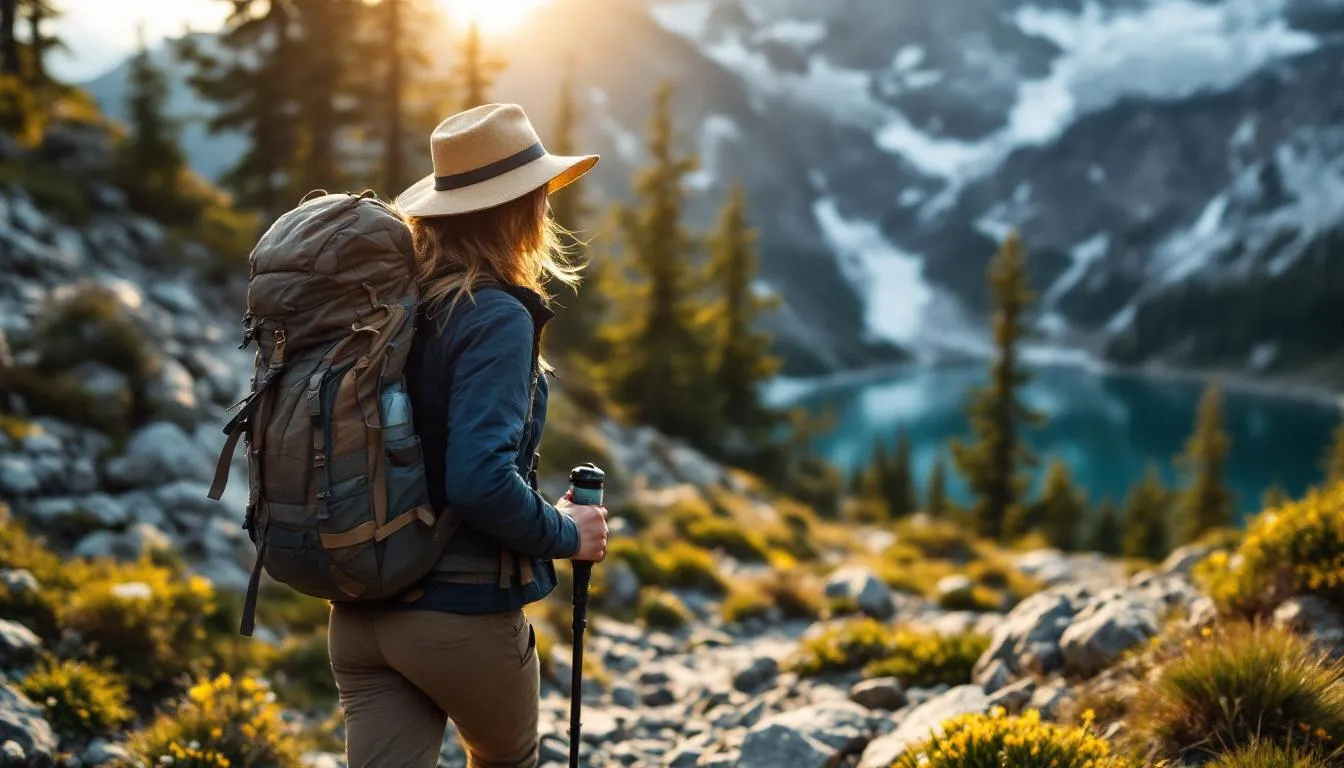
Table of Contents
What Is Hiking?
Hiking is walking outdoors on trails, paths, or natural terrain for recreation, exercise, or both. It ranges from a casual stroll through a local park to a multi-day trek across mountain ranges. About 60 million Americans went hiking in 2023, making it one of the most popular outdoor activities in the country — and globally, the numbers are even larger.
More Than Just Walking
You walk to the mailbox. You hike up a mountain. The distinction is not perfectly defined, but hiking generally involves natural terrain, some degree of physical challenge, and intentionality — you are doing it on purpose, for the experience, not to get somewhere.
That said, hiking covers an enormous range of difficulty:
Day hikes are the most common. You leave in the morning, walk a trail, and return the same day. These can be anything from a flat 2-mile loop to a grueling 15-mile climb with 4,000 feet of elevation gain.
Backpacking (or “thru-hiking” on long trails) involves carrying everything you need — tent, sleeping bag, food, water — and spending multiple nights on the trail. The Appalachian Trail (2,190 miles, Georgia to Maine) and the Pacific Crest Trail (2,650 miles, Mexico to Canada) are the most famous long-distance routes in the U.S.
Scrambling sits between hiking and rock climbing. You are still walking, but steep sections require using your hands for balance or stability. No ropes or technical gear, but definitely not a stroll.
Peak bagging is the practice of summiting specific mountains, often from a list. Colorado’s “14ers” (peaks over 14,000 feet) and New England’s “4,000-footers” are popular targets for hikers who like checking boxes.
Why People Do It
The reasons are both obvious and scientifically validated.
Physical health. Hiking burns 400 to 700 calories per hour depending on terrain and pack weight. It strengthens leg muscles, improves cardiovascular fitness, and is easier on joints than running because the surfaces are softer. A 2022 study in Current Biology found that outdoor exercise produces greater health benefits than equivalent indoor exercise — your body seems to respond differently when surrounded by nature.
Mental health. Multiple studies — including a widely cited 2015 Stanford paper — show that walking in natural settings reduces activity in the subgenual prefrontal cortex, a brain region associated with rumination (repetitive negative thinking). In plain terms: hiking literally quiets the anxious chatter in your head. Participants showed measurable reductions in anxiety and depression after just 90 minutes of nature walking.
It is cheap. You need shoes and water. Everything else is optional. Unlike skiing, golf, or cycling, the barrier to entry is almost zero.
Social connection. Hiking with others creates bonding opportunities that differ from regular socializing. Something about walking side by side — rather than facing each other — makes conversation flow more naturally. And shared physical challenges build camaraderie quickly.
Essential Gear (Without Overdoing It)
The outdoor gear industry would love you to think you need $2,000 worth of equipment. You don’t. For day hiking, here is what actually matters:
Footwear is the one thing worth spending money on. Trail shoes or hiking boots that fit well, provide ankle support (if you want it), and grip wet or rocky surfaces. Blisters end more hikes than anything else. A $100 pair of trail shoes will serve most people well.
Water. Bring more than you think you need. A general rule is half a liter per hour of moderate activity, more in heat or at altitude. A simple water bottle works. Hydration bladders are convenient but not essential.
Layers. Weather changes quickly in mountains. Bring a rain jacket and an extra warm layer even if the forecast looks perfect. Cotton is terrible for hiking — it absorbs sweat and loses insulation when wet. Synthetic or merino wool is vastly better.
Navigation. For well-marked trails, a downloaded trail map on your phone (apps like AllTrails or Gaia GPS) is sufficient. For backcountry hiking, carry a physical map and compass as backup — phones die.
Snacks. Trail mix, energy bars, fruit, sandwiches. Hiking hungry is miserable. Pack more food than you think you need.
Trail Etiquette and Safety
Trails work because people follow unwritten (and sometimes written) rules:
- Uphill hikers have right of way. If someone is grinding up a steep section, step aside and let them pass.
- Leave No Trace. Pack out all trash, stay on established trails, do not pick flowers or disturb wildlife. These principles, formalized by the Leave No Trace Center for Outdoor Ethics, keep trails sustainable for future visitors.
- Tell someone your plans. Before any solo hike, let a friend or family member know where you are going and when you expect to return.
- Start early. Morning starts avoid afternoon heat, lightning storms (common in mountains), and the stress of being caught on trail after dark.
The most common hiking emergencies are dehydration, twisted ankles, and getting lost. All three are largely preventable with proper preparation, appropriate footwear, and basic navigation skills.
Where to Start
If you are new to hiking, the best approach is simple: find a short, well-reviewed trail near you and go walk it. Most state and national parks have trails rated by difficulty. Start with “easy” or “moderate” ratings. Build distance and elevation gradually.
Resources like AllTrails, the National Park Service website, and local hiking clubs provide trail descriptions, difficulty ratings, and user reviews. Many communities have hiking groups that organize beginner-friendly outings — joining one is a great way to learn trail skills and find hiking partners.
You do not need to summit a mountain to be a hiker. A two-mile walk through the woods counts. The only real requirement is putting one foot in front of the other, somewhere that is not pavement.
Frequently Asked Questions
What is the difference between hiking and walking?
Walking is general movement on flat, paved surfaces. Hiking specifically refers to walking on natural terrain — trails, paths, mountains — usually for recreation. Hiking often involves elevation changes, uneven surfaces, and gear like proper footwear and water bottles. The line is blurry, but if you are on a dirt trail surrounded by trees, you are hiking.
What are the 10 essentials for hiking?
The classic list includes navigation tools (map/compass/GPS), sun protection, insulation (extra layers), illumination (headlamp), first aid supplies, fire-starting tools, repair tools (knife/multi-tool), nutrition (extra food), hydration (extra water), and emergency shelter. Day hikers may not carry all ten, but backcountry hikers absolutely should.
How fit do you need to be to start hiking?
You can start hiking at almost any fitness level — just choose appropriate trails. Flat, well-maintained paths under 3 miles are accessible to most people. Build up gradually in distance and elevation gain. Most beginners are surprised at how quickly their endurance improves when hiking regularly.
Further Reading
Cite this article
APA
WhatIs.site. (2025). What Is Hiking?. Retrieved May 27, 2026, from https://whatis.site/hiking MLA
"What Is Hiking?." WhatIs.site, July 15, 2025, https://whatis.site/hiking. Accessed May 27, 2026. Chicago
WhatIs.site. "What Is Hiking?." Last modified May 12, 2026. https://whatis.site/hiking. HTML
<a href="https://whatis.site/hiking">What Is Hiking?</a> — WhatIs.site Related Articles
What Is Hunting?
Hunting is pursuing and taking wild animals for food, conservation, or sport. Learn about methods, regulations, ethics, and its role in wildlife management.
sportsWhat Is Ice Climbing?
Ice climbing is the sport of ascending frozen waterfalls, ice-covered rock faces, and glacial ice formations using specialized tools.
everyday conceptsWhat Is Landscaping?
Landscaping is the practice of modifying outdoor areas with plants, structures, and terrain changes. Learn about design principles, materials, and planning.
scienceWhat Is Agriculture?
Agriculture is the practice of cultivating plants, raising animals, and processing natural resources to produce food, fiber, and fuel.