 WhatIs.site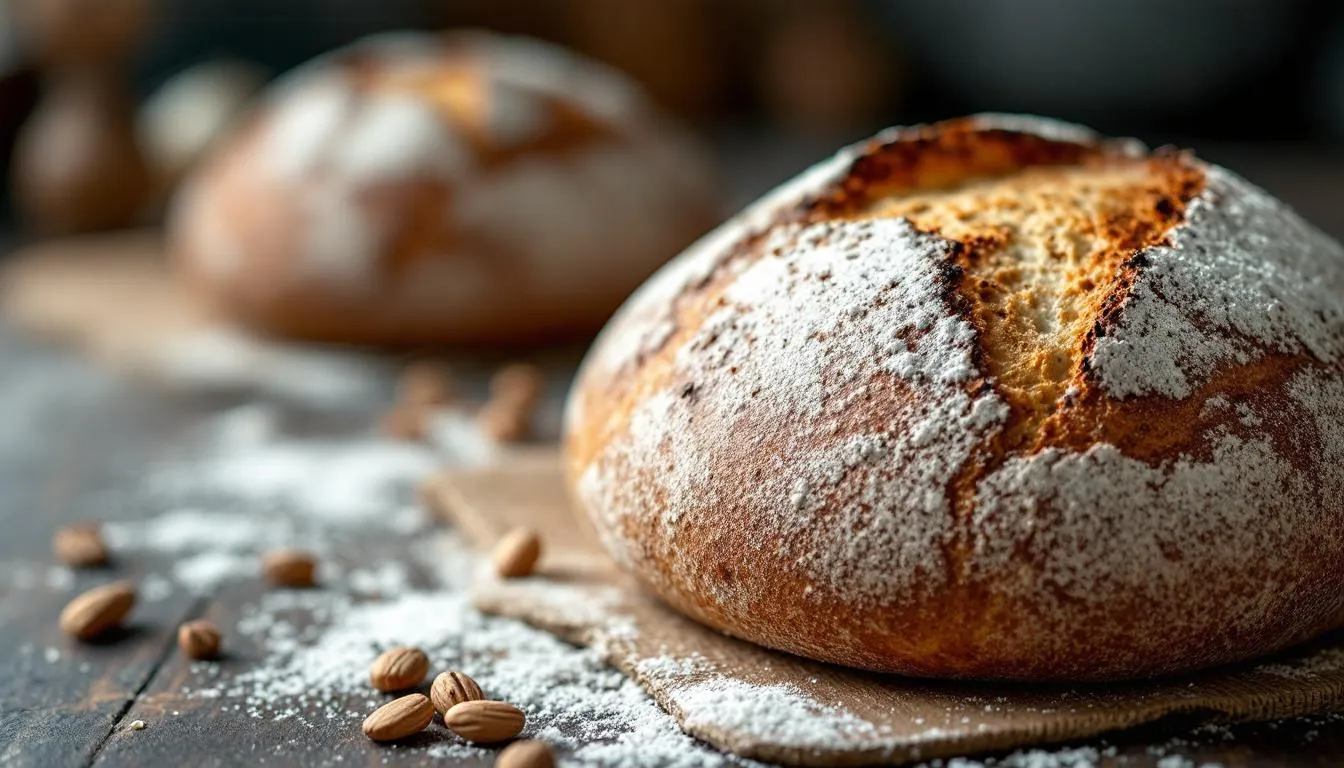
Table of Contents
What Is Sourdough?
Sourdough is a type of bread made through a long, slow fermentation process using a sourdough starter—a living culture of wild yeast and lactic acid bacteria. Unlike commercial bread that relies on packaged yeast and chemical leaveners, sourdough depends on natural fermentation to rise and develop its distinctive tangy flavor and complex texture.
The magic happens through time and microbes working together. When flour and water mix with your starter, bacteria and yeast begin breaking down carbohydrates and proteins, creating gas bubbles that make the bread rise, plus organic acids that give sourdough its signature sour taste and tender crumb. This slow process—anywhere from 12 to 72 hours—transforms simple ingredients into something genuinely different from store-bought bread.
Why People Actually Make Sourdough
You might think sourdough is just bread that tastes sour. That’s partly true, but the real appeal goes deeper. People bake sourdough because it tastes genuinely better than commercial bread. The fermentation creates complexity—notes of nuttiness, subtle sweetness, sometimes even fruity undertones depending on what wild microbes colonize your starter. You can taste the difference immediately.
There’s also the durability factor. Sourdough stays fresh longer than conventional bread because the acids produced during fermentation naturally preserve it. A loaf from Monday can still be great on Wednesday. Compare that to supermarket sandwich bread that goes moldy in three days, and you’ve got something worth the effort.
Then there’s the health angle, though it’s worth being honest here: sourdough isn’t a miracle food. But the extended fermentation does reduce phytic acid—a compound that can interfere with nutrient absorption—making minerals like iron, zinc, and magnesium more bioavailable. Some people with gluten sensitivity report better tolerance with sourdough, though whether that’s from fermentation breaking down gluten proteins or just placebo effect remains debated. The bottom line: it’s more digestible than regular bread, with more probiotics from the living culture, but it’s not a cure-all.
The weird part is that people get attached to their starters. There are legitimate stories of sourdough cultures being passed down through generations, sometimes for over 150 years. Some bakers name their starters, keep them at specific temperatures, and talk about them like pets. It’s not entirely irrational—you’re literally maintaining a living ecosystem.
How Your Starter Actually Works
A sourdough starter is a symbiotic culture of wild yeast and bacteria, primarily Saccharomyces cerevisiae and Lactobacillus species. You create one by mixing flour and water, then feeding it regularly over about five to seven days. During this time, naturally occurring microbes in the flour and environment colonize the mixture.
The process is straightforward but requires patience. Mix equal parts flour and water (say, 100 grams each), leave it at room temperature, and feed it daily by discarding half and adding fresh flour and water. You’ll see activity pretty quickly—bubbling, rising, and eventually a pleasant sour smell. After about a week, you’ve got a starter that’s strong enough to leaven bread.
Here’s what’s actually happening: the yeast produces carbon dioxide, which makes the starter rise and gives bread its airy crumb. The bacteria produce lactic and acetic acids, which create that sour tang and also improve dough structure and shelf life. These two organisms have evolved to work together. The bacteria eat sugars the yeast can’t, and the yeast eats different sugars. Everyone wins.
Temperature matters. A starter kept at 68-72°F will ferment more slowly than one at 75-78°F. Warmer starters rise faster but can develop more acetic acid (the vinegary sourness). Cooler starters develop more slowly but can create more subtle flavors. This is why San Francisco sourdough is different from San Diego sourdough—literally different environmental temperatures and wild microbes create different profiles.
The Math and Timeline of Fermentation
Making sourdough isn’t random. There are actual timelines and science involved, though the exact time depends on your kitchen temperature and how sour you want your bread.
A basic sourdough timeline looks like this: mix your dough in the morning, and it bulk ferments for 4-8 hours depending on temperature and starter strength. You’ll see the dough increase in volume and develop a smooth, slightly puffy surface. Then you shape it and let it proof (final rise) for another 4-24 hours in the fridge, which does several things. Cold slows fermentation, giving you more control and more time to develop flavor. It also makes the dough easier to score and bake because it’s firmer.
The reason bakers obsess over fermentation time is that it directly affects flavor and texture. Underferment your dough, and you get bland bread with tight crumb. Overferment, and the gluten network breaks down—you get a dense, gummy loaf. The sweet spot is when your dough has roughly doubled, shows visible bubbles at the surface, and jiggles slightly when you tap the banneton (the proofing basket). It’s more art than exact science, which is why experienced bakers still occasionally produce bread that doesn’t turn out.
Once you bake—usually at 450-500°F for 20-30 minutes with steam—the heat kills the yeast and bacteria, setting the structure and creating that crackling crust.
Why Commercial Bread Is Different
Store-bought bread uses commercial yeast (usually Saccharomyces cerevisiae in pure culture) rather than the wild mix in your starter. Manufacturers add it in huge amounts so fermentation finishes in just a few hours. They also add dough conditioners, preservatives, and sometimes added gluten to create consistent structure. The result is fast, predictable, and shelf-stable.
The tradeoff: minimal flavor development, minimal probiotic content, and shorter shelf life due to lack of natural preservatives. A sourdough loaf has dozens of flavor compounds from extended fermentation. An industrial loaf tastes mostly like… bread-shaped carbs.
That said, not everyone needs sourdough. If you want quick, convenient bread, supermarket loaves work fine. But if you care about taste and texture, sourdough shows exactly what fermentation does to flour and water.
Getting Started (Realistically)
Making sourdough takes time and space. You need at least a week to establish a starter, assuming it cooperates. Then each loaf takes 24-48 hours depending on fermentation length. You also need a Dutch oven for proper crust development, or at minimum, a baking stone and steam setup.
Here’s the honest part: your first loaves might not look Instagram-worthy. They might have a dense crumb, weak oven spring (how much they rise in the oven), or uneven fermentation. That’s normal. Bread-making is a skill, not a mystery. Most bakers take months to produce consistently good loaves.
If you’re genuinely interested, the process is rewarding. You’ll understand fermentation at a cellular level. You’ll develop intuition about dough feel and fermentation speed. You might even keep your starter alive for years and feed it like a plant. Some people find it meditative. Others find it frustrating.
The Biology You Should Know
Sourdough fermentation is actually multiple things happening at once. The yeast ferments sugar to alcohol and carbon dioxide. The bacteria produce lactic acid (milder sour flavor) and acetic acid (sharper vinegar-like flavor). Enzymes in flour (amylase and protease) break down starches into sugars and proteins into amino acids and peptides. This enzymatic activity happens during fermentation, not during baking, which is why a slow fermentation develops more flavor than a fast one.
Interestingly, some of the ethanol (alcohol) produced by fermentation evaporates during baking, but compounds derived from it contribute to flavor. This is also why sourdough develops fruity, beer-like notes sometimes. The longer the fermentation, the more these flavor compounds develop.
The pH drops during fermentation too. Fresh dough is neutral to slightly acidic (pH 6-7). A mature sourdough culture is quite acidic (pH 3.5-4). This acidity is what actually develops the sour flavor, but it also affects gluten—acidic dough develops stronger gluten structure, which is why sourdough has better oven spring and crumb structure than neutral dough.
Should You Actually Make It?
Sourdough is worth trying if you like bread and have the time. The flavor is objectively better than commercial options. If you enjoy process-oriented hobbies and don’t mind occasional failures, you’ll probably love it. The learning curve isn’t steep, but there is a curve.
If you don’t want to commit to maintaining a starter, you can still buy fresh sourdough from local bakeries. Many cities have good ones now. You get all the flavor and digestibility benefits without the responsibility of keeping a culture alive.
The takeaway: sourdough is real bread with real advantages, made possible by time, wild microbes, and fermentation chemistry. It’s not a hack or a shortcut. It’s just bread made the slow way, and after thousands of years, we’re still doing it because it works.
Frequently Asked Questions
What's the difference between sourdough and regular bread?
Sourdough uses wild yeast and bacteria for fermentation, which takes 12-72 hours. Regular bread uses commercial yeast and rises in just a few hours. This longer fermentation in sourdough creates complex flavors, better digestibility, and natural preservatives that keep the bread fresh longer.
Do I need special equipment to make sourdough at home?
At minimum, you need a Dutch oven or covered baking vessel for proper steam and crust development. You'll also benefit from a banneton (proofing basket), kitchen scale for accuracy, and a kitchen thermometer to monitor dough temperature. Technically you can make sourdough without these, but they make the process much easier.
Is sourdough actually healthier than regular bread?
Sourdough has some advantages: fermentation reduces phytic acid (improving mineral absorption), creates beneficial bacteria, and produces organic acids that aid digestion. However, it's not a superfood. The main benefits are better taste, longer shelf life, and slightly improved digestibility—not dramatic health transformation.
How long does a sourdough starter take to create?
You can create a starter in about 5-7 days by mixing flour and water and feeding it daily. However, some people need 10-14 days depending on their environment and which wild microbes colonize first. Once established, you just need to feed it regularly (daily at room temperature, or once a week if refrigerated).
Can sourdough help with gluten sensitivity?
Some people with non-celiac gluten sensitivity report better tolerance with sourdough, possibly because fermentation breaks down some gluten proteins. However, sourdough is not safe for people with celiac disease—it still contains gluten. If you have gluten sensitivity, try it cautiously and consult your doctor.
Further Reading
Cite this article
APA
WhatIs.site. (2026). What Is Sourdough?. Retrieved May 27, 2026, from https://whatis.site/sourdough MLA
"What Is Sourdough?." WhatIs.site, March 6, 2026, https://whatis.site/sourdough. Accessed May 27, 2026. Chicago
WhatIs.site. "What Is Sourdough?." Last modified May 12, 2026. https://whatis.site/sourdough. HTML
<a href="https://whatis.site/sourdough">What Is Sourdough?</a> — WhatIs.site Related Articles
What Is Fermentation?
Fermentation is a metabolic process where microorganisms convert sugars into acids, gases, or alcohol. Learn how it works in food, drinks, and industry.
everyday conceptsWhat Is Yogurt Making?
Yogurt making is the process of fermenting milk using specific bacteria — primarily Lactobacillus bulgaricus and Streptococcus thermophilus.