 WhatIs.site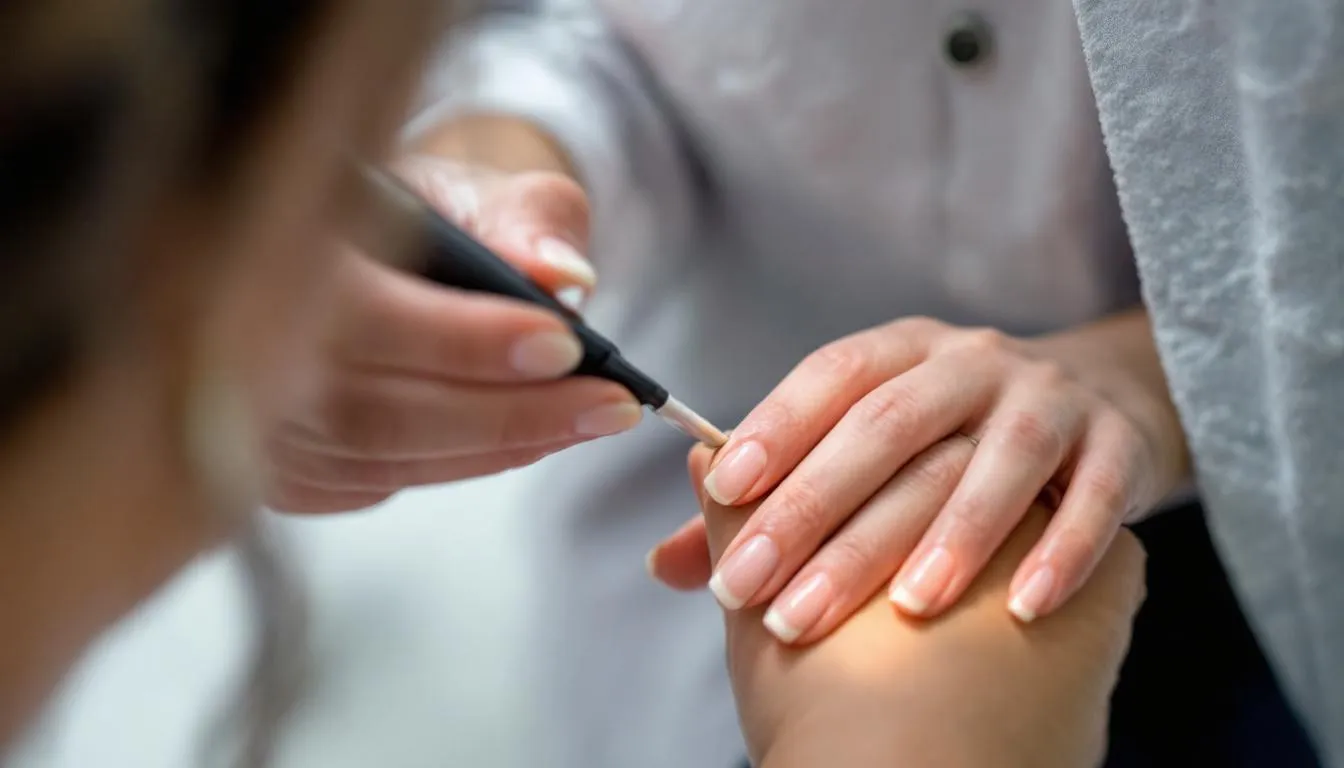
Table of Contents
What Is Manicuring?
Manicuring is the cosmetic treatment of fingernails and hands — shaping, buffing, polishing, and caring for nails and the surrounding skin. The word comes from the Latin “manus” (hand) and “cura” (care). It’s one of the oldest grooming practices, with evidence of nail coloring dating back to ancient China around 3000 BCE, where members of the ruling class stained their nails with mixtures of beeswax, egg whites, and flower petals. Manicuring falls within the broader categories of aesthetics, personal hygiene, and fashion expression, and involves understanding the chemistry of nail products and treatments.
Today, the nail care industry generates over $11 billion annually in the United States alone. There are roughly 56,000 nail salons in the country, employing over 400,000 workers. What started as simple grooming has become a major beauty category and, through nail art, a genuine form of creative expression.
What Happens During a Manicure
A basic manicure follows a standard sequence:
Nail shaping. Nails are filed into the desired shape — round, square, oval, squoval (a square-oval hybrid), almond, coffin, or stiletto. The shape isn’t just aesthetic; it affects nail strength. Round and squoval shapes are strongest, while pointed shapes like stiletto are more prone to breaking.
Cuticle care. The cuticles (the thin skin at the base of the nail) are softened with cuticle remover or warm water, then gently pushed back. Whether to cut cuticles is debated — many dermatologists advise against it because cuticles protect the nail matrix from infection. Most modern nail technicians push cuticles rather than cutting them.
Buffing. The nail surface is lightly buffed to smooth ridges and create a surface for polish to adhere to. Over-buffing thins the nail plate, so this should be done gently.
Hand care. Hands are moisturized, often with a brief massage. Some manicures include exfoliation, paraffin wax treatments, or hand masks.
Polish application. Base coat, color coats (usually two), and top coat are applied in sequence. Each layer serves a purpose — the base coat protects the nail and improves adhesion, the color provides coverage, and the top coat adds shine and chip resistance.
The whole process takes 30-60 minutes for a basic manicure, longer for specialized treatments.
Types of Manicures
Classic manicure. The standard treatment described above, using regular nail polish. Affordable, quick, and widely available. Polish lasts about 5-7 days before chipping.
Gel manicure. Uses gel polish that’s cured (hardened) under UV or LED light. The result is a glossy, durable finish that lasts 2-3 weeks without chipping. Gel manicures cost more ($35-60 vs. $15-30 for classic) but last significantly longer.
Shellac. A specific brand of hybrid gel-polish made by CND. It’s thinner than regular gel and easier to remove, sitting between classic and gel in terms of durability.
Acrylic nails. Artificial nail extensions created by mixing liquid monomer with powder polymer. The mixture is applied over natural nails or plastic tips and hardens as it dries. Acrylics allow dramatic length and shape changes but require fills every 2-3 weeks as the natural nail grows out.
Dip powder. Nails are coated with adhesive and dipped into colored acrylic powder. The result is durable and chip-resistant, lasting 3-4 weeks. No UV light needed for curing.
Nail art. Decorative designs applied to nails — anything from simple stripes and dots to elaborate hand-painted scenes, 3D embellishments, foils, chrome effects, and encapsulated designs. Nail art has exploded on social media, with some nail technicians building massive followings through their creative work, turning it into a legitimate form of art.
The Salon Industry
The nail salon industry in the United States has a distinctive demographic profile. Vietnamese-Americans own roughly 50% of all nail salons in the country — a trend that began in the 1970s when actress Tippi Hedren helped a group of Vietnamese refugees learn nail care, and they built a community network that spread the profession nationwide.
The industry has faced serious scrutiny over working conditions. A landmark 2015 New York Times investigation revealed widespread wage theft, health hazards from chemical exposure, and exploitative labor practices in many salons. This prompted regulatory reforms in several states, including minimum wage enforcement and ventilation requirements.
Chemical exposure is a genuine concern. Nail products contain formaldehyde, toluene, and dibutyl phthalate (the “toxic trio”), along with various solvents and acrylic compounds. Salon ventilation, personal protective equipment, and product safety regulations vary by jurisdiction. Organizations like the Campaign for Safe Cosmetics have pushed for stronger protections.
Nail Health
Your nails are actually a useful health indicator. Changes in nail appearance can signal underlying conditions:
- Yellowing — can indicate fungal infection or, less commonly, thyroid issues
- Pitting — small dents associated with psoriasis or alopecia
- Spoon-shaped nails — sometimes linked to iron deficiency
- Dark lines — could be benign or, rarely, a sign of melanoma
Dermatologists recommend letting nails “breathe” between gel or acrylic applications, keeping nails moisturized, avoiding harsh removal methods (never peel off gel polish), and reporting any sudden changes in nail appearance to a doctor.
Trends and Culture
Nail trends shift constantly. Recent years have seen minimalist nude looks, bold graphic designs, “chrome” and “glass” finishes, and increasingly elaborate 3D nail art. The nail art movement, driven largely by social media, has turned nail technicians into genuine artists — some with Instagram followings in the millions.
Cultural attitudes toward manicuring have shifted too. Once primarily associated with women, nail care for men has grown significantly. Male manicures (often without polish) are increasingly normalized, and nail polish for men is a small but growing market segment.
Whether you see manicuring as basic grooming, creative expression, or self-care ritual, it’s clearly here to stay — a 5,000-year-old practice that keeps finding new forms.
Frequently Asked Questions
How often should you get a manicure?
Every two to three weeks for polish maintenance, though this varies by nail growth rate and polish type. Gel manicures last 2-3 weeks. Regular polish chips within a week for most people. Even without polish, trimming and cuticle care every 2-4 weeks keeps nails healthy. Over-manicuring, especially aggressive cuticle cutting, can actually damage nails.
What is the difference between gel and acrylic nails?
Gel nails use a gel polish cured under UV or LED light, creating a glossy, chip-resistant finish on natural nails. Acrylic nails are artificial extensions made from a liquid monomer and powder polymer that harden when mixed, applied over natural nails or tips. Gels look more natural but are less durable; acrylics are stronger but thicker and require more maintenance.
Are gel manicures bad for your nails?
The gel polish itself isn't particularly harmful, but the removal process can be. Peeling off gel polish strips layers of the natural nail. Proper removal — soaking in acetone and gently scraping — minimizes damage. The UV lamps used for curing have raised skin cancer concerns, though the American Academy of Dermatology says the risk is low. Using SPF hand cream or fingerless UV gloves adds extra protection.
Further Reading
Cite this article
APA
WhatIs.site. (2025). What Is Manicuring?. Retrieved May 27, 2026, from https://whatis.site/manicuring MLA
"What Is Manicuring?." WhatIs.site, July 15, 2025, https://whatis.site/manicuring. Accessed May 27, 2026. Chicago
WhatIs.site. "What Is Manicuring?." Last modified May 12, 2026. https://whatis.site/manicuring. HTML
<a href="https://whatis.site/manicuring">What Is Manicuring?</a> — WhatIs.site