 WhatIs.site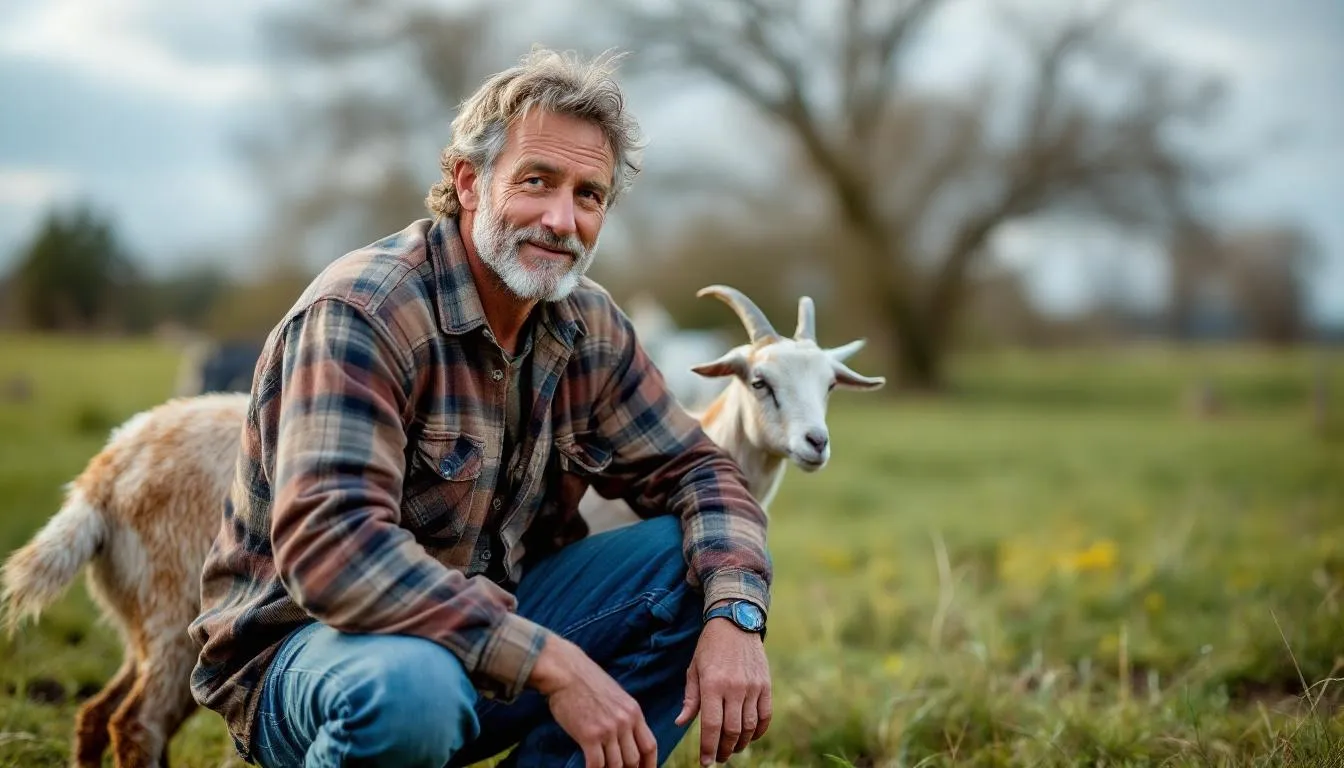
Table of Contents
What Is Goat Farming?
Goat farming is the agricultural practice of raising domestic goats for milk, meat, fiber (cashmere and mohair), hides, and land management. There are approximately 1 billion goats worldwide, making them one of the most numerous domesticated animals on Earth. Goats were among the first animals domesticated by humans — around 10,000 years ago in the Zagros Mountains of western Iran. Today they’re raised on every continent except Antarctica, from industrial-scale operations to backyard homesteads.
Why Goats
Goats have several advantages over larger livestock. They’re smaller and more manageable than cattle. They eat a wider range of vegetation (including brush, weeds, and browse that cattle won’t touch). They require less land and infrastructure. They reproduce quickly — a doe typically produces 1-3 kids per year after a 5-month gestation. And they’re remarkably adaptable to different climates, terrains, and management systems.
The U.S. goat population has grown significantly since the 2000s, driven by increasing demand for goat meat (the most consumed red meat globally), artisan goat cheese, and sustainable land management.
Products
Goat milk has properties that distinguish it from cow milk. The fat globules are smaller, making it naturally homogenized (the cream doesn’t separate). It contains less lactose and different protein structures, making it easier to digest for some people with dairy sensitivities. Goat milk is the basis for cheeses like chevre, feta (traditionally), and aged varieties that rival any cow’s milk cheese.
Goat meat (chevon or cabrito when young) is the most widely consumed red meat in the world, popular across Africa, Asia, the Middle East, the Caribbean, and Latin America. In the U.S., demand has grown with immigrant populations familiar with goat cuisine. It’s leaner than beef, with a distinctive flavor that some describe as gamey and others find mild and sweet.
Fiber from goats includes cashmere (the soft undercoat of cashmere goats, worth $40-$80 per pound) and mohair (from Angora goats, used in luxury textiles). Both are premium natural fibers with limited global supply.
Land management is an increasingly popular use for goats. They’re hired to clear invasive vegetation, reduce wildfire fuel loads, and manage brush in areas where machinery is impractical. Cities from San Francisco to Atlanta have employed goat herds for municipal land management.
Breeds
Different breeds suit different purposes.
Dairy breeds include Saanen (the Holstein of goats — high volume, mellow temperament), Nubian (rich, high-butterfat milk — great for cheese), Alpine (hardy, consistent producers), LaMancha (recognizable by their tiny ears), and Nigerian Dwarf (compact size, exceptionally rich milk).
Meat breeds include Boer (the dominant meat breed, originally from South Africa — fast-growing with excellent carcass quality), Kiko (hardy, low-maintenance New Zealand breed), and Spanish (traditional rangeland goats).
Fiber breeds include Angora (produces mohair) and various cashmere-producing breeds.
Dual-purpose and heritage breeds serve multiple functions. Kinder goats (Nubian x Pygmy cross) produce both milk and meat in a compact package.
Basic Care
Fencing is the first challenge. Goats are legendary escape artists — they climb, squeeze through gaps, and test boundaries relentlessly. Good goat fencing is at least 4 feet high, made of woven wire or cattle panels, with no gaps larger than 4x4 inches. Electric fencing works but requires training and maintenance.
Shelter doesn’t need to be elaborate, but goats must have protection from rain and wind. They hate getting wet (despite popular belief about their toughness) and need dry bedding. A three-sided shelter is the minimum.
Nutrition centers on quality hay or pasture, supplemented with grain for lactating does and growing kids. Loose minerals formulated for goats (containing copper, which is toxic to sheep but essential for goats) should be available at all times. Clean water — goats drink 1-3 gallons per day — is non-negotiable.
Health management includes regular hoof trimming (every 6-8 weeks), parasite monitoring (internal parasites are the number one health challenge), vaccination programs, and access to veterinary care. Finding a vet experienced with goats can be challenging in some areas — large-animal vets often specialize in cattle and horses.
The Economics
Goat farming economics vary dramatically by operation type and scale.
Dairy goat farming requires the most infrastructure — milking equipment, milk storage, and potentially cheese-making facilities. Raw goat milk sells for $8-$15 per gallon at farm gates. Artisan goat cheese commands premium prices. But dairy operations require twice-daily milking, consistent management, and market development.
Meat goat production has lower startup costs and less intensive management. Live goats sell for $2-$4 per pound. Direct-to-consumer sales (whole or half goats, sold to ethnic communities or through farmers markets) often bring higher returns than selling through auction.
Small-scale homestead operations often don’t aim for profitability — they produce milk and meat for family consumption, with surplus sold or bartered. The satisfaction of producing your own dairy and meat drives these operations more than financial return.
Starting Out
New goat farmers should start small, learn constantly, and connect with experienced goat keepers. Breed associations, county extension services, and online communities (Backyard Herds, The Goat Spot forums) provide knowledge and support.
Buy from reputable breeders. Auction goats are cheaper but often carry health issues. Invest in good fencing before bringing goats home — fixing fences after goats escape is much more expensive and stressful than doing it right initially.
And be prepared for personality. Goats are smart, affectionate, mischievous, and occasionally infuriating. They’ll eat your favorite shirt off the clothesline, escape from apparently secure enclosures, and then look at you with those rectangular pupils as if they’ve done nothing wrong. You’ll love them anyway.
Frequently Asked Questions
How many goats do you need to start a farm?
Goats are herd animals and shouldn't be kept alone — a minimum of two is essential for their well-being. A small hobby operation might start with 3-5 goats. A viable commercial dairy operation typically needs 50+ does. For meat production, herd size depends on available pasture — roughly 6-8 goats per acre on good pasture.
How much milk does a dairy goat produce?
A good dairy goat produces 6-12 pounds (roughly 3/4 to 1.5 gallons) of milk per day during a 305-day lactation period. Top producers like Nigerian Dwarfs, Nubians, and Saanens can produce even more relative to their body size. Goat milk is naturally homogenized and easier to digest than cow milk for many people.
Are goats difficult to keep?
Goats are intelligent, curious, and often described as escape artists — they will test every fence constantly. They need adequate fencing (at least 4 feet high, preferably woven wire), shelter from rain and wind, fresh water, quality hay or pasture, minerals, and regular hoof trimming and veterinary care. They're not low-maintenance, but they're rewarding.
Further Reading
Cite this article
APA
WhatIs.site. (2025). What Is Goat Farming?. Retrieved May 27, 2026, from https://whatis.site/goat-farming MLA
"What Is Goat Farming?." WhatIs.site, July 15, 2025, https://whatis.site/goat-farming. Accessed May 27, 2026. Chicago
WhatIs.site. "What Is Goat Farming?." Last modified May 12, 2026. https://whatis.site/goat-farming. HTML
<a href="https://whatis.site/goat-farming">What Is Goat Farming?</a> — WhatIs.site Related Articles
What Is Farming?
Farming is the practice of growing crops and raising livestock for food and materials. Learn about modern agriculture, methods, and global challenges.
scienceWhat Is Agriculture?
Agriculture is the practice of cultivating plants, raising animals, and processing natural resources to produce food, fiber, and fuel.
everyday conceptsWhat Is Gardening?
Gardening is the practice of growing and tending plants — flowers, vegetables, herbs, fruits, shrubs, and trees — in a defined space for food, beauty.