 WhatIs.site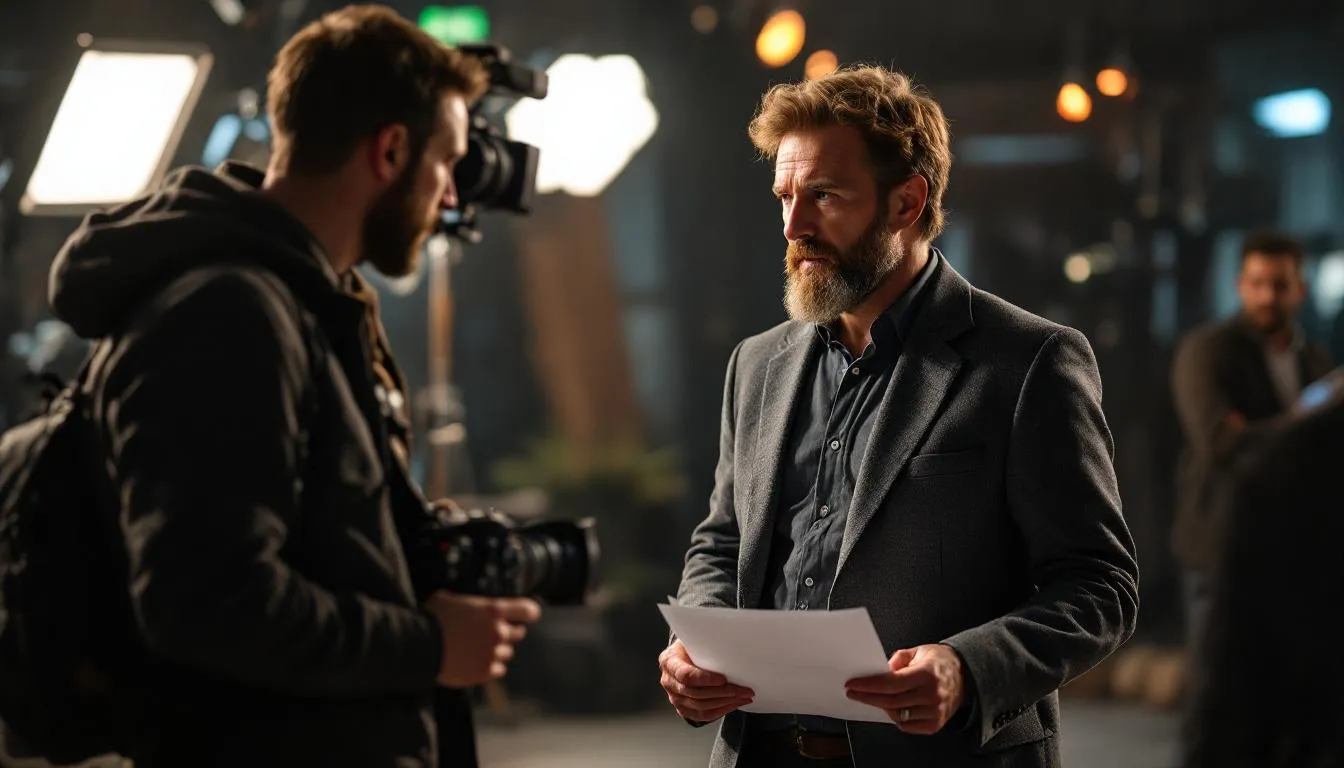
Table of Contents
What Is Filmmaking?
Filmmaking is the process of creating motion pictures — from the first spark of an idea through writing, planning, shooting, editing, and delivering a finished film to audiences. It’s one of the most collaborative art forms in existence, combining writing, visual art, music, performance, technology, and business into a single creative endeavor. It’s also one of the most difficult. Getting dozens or hundreds of people to execute a shared creative vision, on schedule and on budget, while dealing with every imaginable obstacle, is an achievement whether the resulting film is good or not.
The Core Crafts
Filmmaking involves several distinct disciplines, each requiring deep expertise.
Screenwriting is where most films begin. The screenplay provides the blueprint — dialogue, scene descriptions, and story structure that everyone else builds from. A good script doesn’t guarantee a good film, but a bad script almost guarantees a bad one. The screenplay is simultaneously the most important and most overlooked element of filmmaking — audiences praise acting and directing while rarely knowing the writer’s name.
Cinematography is the art of capturing images. The Director of Photography (DP or cinematographer) makes decisions about camera placement, lens selection, lighting design, camera movement, and composition. These choices aren’t decorative — they determine what the audience sees and how they feel about it. Roger Deakins, Emmanuel Lubezki, and Janusz Kaminski are cinematographers whose visual signatures are as recognizable as any director’s.
Directing is the central creative role. The director interprets the script, guides performances, makes visual decisions, and maintains the overall creative vision. They’re the person whose aesthetic sensibility and narrative judgment shape every aspect of the film.
Editing is where the film is actually built. The editor selects takes, determines pacing, structures scenes, and shapes the emotional arc. Editing is sometimes called the “final rewrite” because the editor can fundamentally alter the story through selection and arrangement.
Sound design includes everything you hear: dialogue, ambient sound, sound effects, and music. Sound often has more emotional impact than visuals — a horror film without its sound design is just people walking through dark rooms. The score and soundtrack add another layer of meaning and emotion.
Production design creates the physical world of the film — sets, props, locations, and the overall visual environment. Great production design supports the story without drawing attention to itself. The audience should feel like they’re in a real place, even when everything is constructed.
Making a Film
The process varies wildly depending on budget, scale, and approach. A student shooting a five-minute short on their phone follows the same general arc as a studio making a $200 million blockbuster — just at vastly different scales.
You start with a story. It might come from a screenplay, a book, a true event, or just an image that won’t leave your head. The story gets refined through writing, rewriting, and discussion until it’s ready to shoot.
You plan everything. Locations are scouted. Actors are cast. The shooting schedule is built. Equipment is secured. The budget is allocated. Planning is unsexy but essential — problems anticipated in pre-production are ten times cheaper to solve than problems discovered on set.
You shoot. This is the phase most people picture when they think of filmmaking — cameras rolling, actors performing, the director calling action. In reality, most of a shooting day is waiting. Waiting for lighting setups, waiting for camera repositioning, waiting for actors to get into costume and makeup. The actual moments of filming might total 30-60 minutes of a 12-hour day.
You edit. The raw footage (called “dailies” or “rushes”) goes to the editor, who assembles it into a watchable form. This takes months. The editor tries different structures, pacing choices, and scene orders. Test screenings provide audience feedback. The cut is refined until it works.
You finish. Color grading, sound mixing, visual effects, music composition, and titling complete the film. Then it needs to reach audiences through theatrical distribution, streaming platforms, film festivals, or some combination.
The Independent Path
Hollywood studios make a few hundred films per year. Independent filmmakers make thousands. The indie world operates on smaller budgets, tighter schedules, and more creative freedom — with correspondingly less financial safety net.
The barriers to entry have never been lower. A modern smartphone shoots better video than the professional cameras of 20 years ago. Free or affordable software handles editing, color grading, and sound mixing. YouTube, Vimeo, and social media provide instant global distribution.
But lower barriers haven’t made filmmaking easier — they’ve made it more competitive. When everyone can make a film, standing out requires stronger storytelling, more distinctive vision, and smarter distribution strategy.
Film festivals — Sundance, Cannes, Toronto, SXSW — remain crucial for independent filmmakers. Festival selection provides exposure, critical attention, and access to distributors. Many successful directors launched their careers through festival circuits.
What Makes It Hard
Filmmaking is problem-solving under pressure, constantly. The weather changes. An actor gets sick. A location falls through. Equipment malfunctions. The budget runs out before the shooting schedule is complete.
The collaborative nature adds complexity. A film might involve a director who wants artistic integrity, a producer who wants commercial success, actors who want compelling roles, and a studio that wants a return on investment. Aligning these interests — or managing the conflicts between them — is half the job.
And then there’s the emotional difficulty. Filmmaking requires years of effort with no guarantee of success. Most independent films never find distribution. Most studio films lose money. The rejection rate is brutal. You need resilience, stubbornness, and a genuine love of the work to sustain a filmmaking career.
Why People Do It Anyway
Despite everything, people keep making films — and have for over 130 years. The appeal is the same thing that makes it hard: filmmaking combines more creative disciplines than any other art form. A single frame of film involves photography, design, performance, lighting, and storytelling. Adding time introduces editing, rhythm, and music. The result, when it works, is an experience no other medium can replicate.
There’s also something irreplaceable about watching an audience react to something you made. Laughter, tears, gasps, silence — that immediate emotional connection between creator and viewer, multiplied across hundreds of seats in a dark room. That’s why people make films.
Frequently Asked Questions
Can you make a film with no budget?
Technically, yes. A smartphone can shoot high-quality video. Free editing software (DaVinci Resolve) is professional-grade. Some notable films were made for almost nothing — El Mariachi cost $7,000, Tangerine was shot on iPhones. But even 'no-budget' films require time, effort, and usually some cost for food, transportation, and basic equipment.
What is the most important skill in filmmaking?
Storytelling. Technology changes constantly, but the ability to tell a compelling story through images and sound is timeless. Every technical skill — cinematography, editing, sound design — serves the story. Directors who understand narrative structure and human emotion will always find ways to make effective films, regardless of budget or equipment.
Film school or self-taught — which is better?
Both paths work. Film school provides structured learning, access to equipment, and networking opportunities. Self-taught filmmakers learn by making films, studying existing work, and leveraging online resources. Many top directors are film school graduates (Scorsese, Coppola, Spike Lee). Many others aren't (Kubrick, Tarantino, Nolan). What matters most is making things and learning from each project.
Further Reading
Cite this article
APA
WhatIs.site. (2025). What Is Filmmaking?. Retrieved May 27, 2026, from https://whatis.site/filmmaking MLA
"What Is Filmmaking?." WhatIs.site, July 15, 2025, https://whatis.site/filmmaking. Accessed May 27, 2026. Chicago
WhatIs.site. "What Is Filmmaking?." Last modified May 12, 2026. https://whatis.site/filmmaking. HTML
<a href="https://whatis.site/filmmaking">What Is Filmmaking?</a> — WhatIs.site Related Articles
What Is Film Direction?
Film direction is the process of translating a screenplay into a finished motion picture by making the thousands of creative decisions that determine how.
arts amp cultureWhat Is Film Editing?
Film editing is the art of selecting and assembling footage into a finished movie. Learn about editing techniques, tools, and why editors shape stories.
arts amp cultureWhat Is Film Production?
Film production is the entire process of creating a motion picture — from the initial idea through scripting, financing, filming, editing, and distribution.
everyday conceptsWhat Is Film History?
Film history traces cinema from its 1890s invention to today's streaming era. Explore the key movements, technologies, and films that shaped the medium.
arts amp cultureWhat Is Movie Memorabilia?
Movie memorabilia includes props, costumes, posters, and collectibles from films. Learn about collecting, authentication, valuation, and famous items.