 WhatIs.site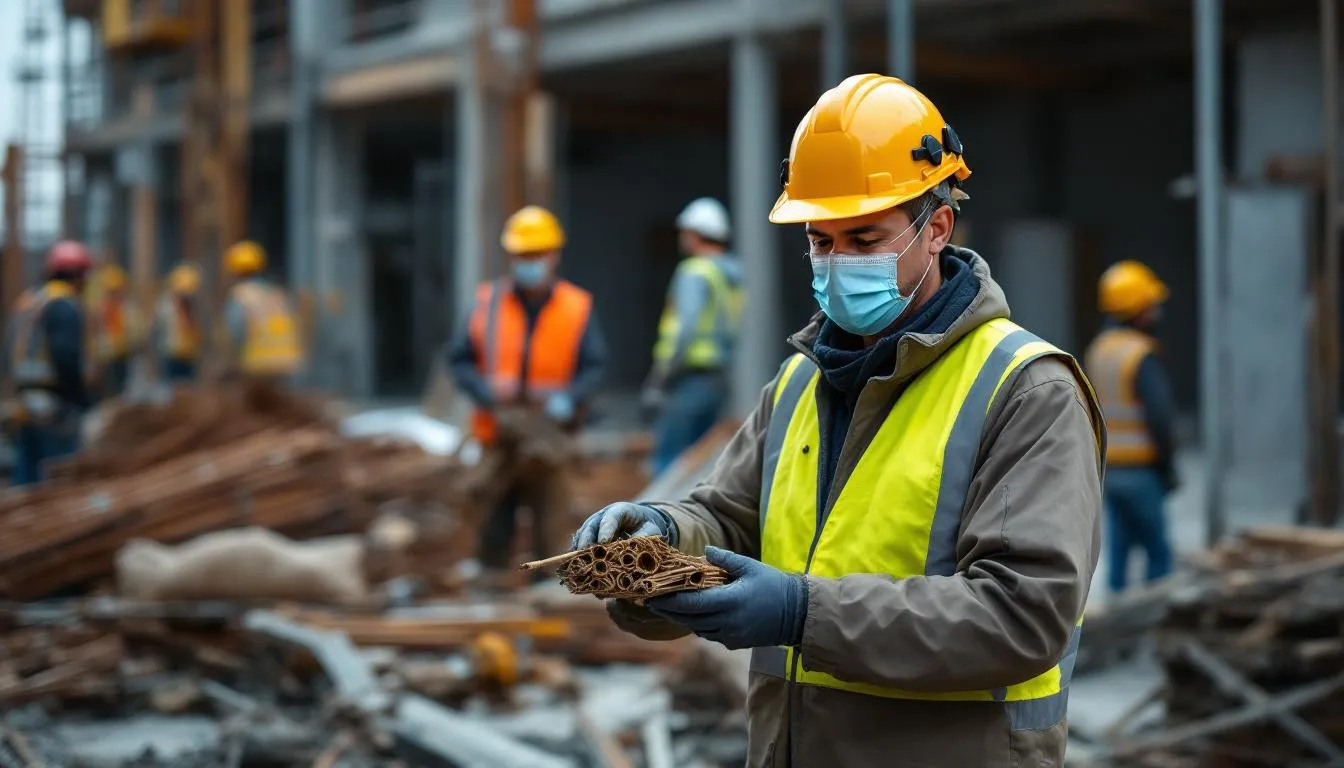
Table of Contents
What Is Construction?
Construction is the process of creating physical structures and infrastructure — buildings, roads, bridges, tunnels, dams, and everything else that makes up the built environment. It’s one of humanity’s oldest organized activities and remains one of the largest industries on Earth, employing roughly 7% of the global workforce.
From Mud Bricks to Skyscrapers
Humans have been building since before recorded history. The oldest known constructed structure is Gobekli Tepe in Turkey, dating to roughly 9500 BC — massive stone pillars erected by people who hadn’t even invented agriculture yet. The Egyptian pyramids (2560 BC), Roman aqueducts, medieval cathedrals, and Chinese fortifications all represent construction achievements that remain impressive by modern standards.
The industrial revolution transformed construction just as it transformed everything else. Steel framing made skyscrapers possible — the Home Insurance Building in Chicago (1885) is generally considered the first. Portland cement (invented in 1824) and reinforced concrete enabled structures of unprecedented scale. Power tools replaced hand tools. Cranes grew larger. Projects grew faster.
Modern construction continues to evolve. 3D-printed buildings, modular prefabrication, drone-based surveying, and Building Information Modeling (BIM) software are changing how structures get designed and built. But the fundamental process — putting materials together to create something useful — hasn’t changed in 11,000 years.
The Phases of a Project
Every construction project, from a garden shed to a skyscraper, follows roughly the same sequence.
Planning and design comes first. Architects create designs. Engineers ensure they’re structurally sound. Estimators calculate costs. This phase involves permits, environmental reviews, and zoning compliance. It’s the least visible phase but often determines whether a project succeeds or fails — problems caught on paper cost a fraction of problems discovered mid-construction.
Pre-construction involves finalizing budgets, hiring subcontractors, ordering materials, and preparing the site. This is where the general contractor coordinates the dozens of specialized trades that will work on the project.
Construction is the visible phase — the cranes, the crews, the gradual emergence of a structure from the ground. It typically proceeds in a predictable sequence: excavation and foundation, structural framing, mechanical/electrical/plumbing (MEP) rough-in, exterior cladding, interior finishes.
Post-construction includes final inspections, punch list completion (fixing deficiencies), commissioning of building systems, and handover to the owner. Warranty periods typically extend 1 to 2 years after completion.
The Trades
Construction isn’t one job — it’s dozens of specialized trades working in coordination.
Concrete workers pour and finish foundations, slabs, and structural elements. Steelworkers (ironworkers) erect structural steel frames. Carpenters handle wood framing, formwork, and finish carpentry. Electricians install wiring, panels, and fixtures. Plumbers install piping for water, gas, and drainage. HVAC technicians handle heating, ventilation, and air conditioning systems.
Then there are masons, glaziers (glass), roofers, drywall installers, painters, flooring specialists, elevator installers, fire protection installers, and more. A large commercial project might involve 30+ different trades, each with their own schedule, workspace needs, and inspection requirements.
Coordinating these trades is the general contractor’s primary responsibility — and it’s harder than it sounds. When the electricians can’t start because the framing isn’t done, and the framing is late because the concrete cure was delayed by rain, you get the cascading delays that plague the industry.
Safety
Construction is dangerous work. In the United States, roughly 1,000 construction workers die on the job annually, and tens of thousands more suffer injuries. OSHA’s “Fatal Four” — the four leading causes of construction death — are falls (33%), struck-by-object incidents (11%), electrocution (9%), and caught-in/between incidents (5%).
Safety has improved dramatically over the decades. Hard hats, safety harnesses, steel-toed boots, and mandatory safety training have reduced fatality rates significantly. Modern construction sites require daily safety briefings, designated safety officers, and detailed safety plans.
But the industry’s fundamental nature — heavy materials, heights, heavy equipment, weather exposure — means risk can never be eliminated entirely. Construction workers earn higher-than-average wages partly as compensation for this inherent danger.
The Economics
The numbers are staggering. Global construction spending exceeds $13 trillion annually. The U.S. construction industry alone generated $2.1 trillion in 2023 and employed about 8 million workers.
Materials represent roughly 40-50% of project costs, labor accounts for 30-40%, and overhead and profit make up the remainder. Material prices are volatile — lumber prices tripled during the 2020-2021 pandemic surge, adding $36,000 to the average cost of a new home.
The industry is highly fragmented. In the United States, there are over 900,000 construction firms, the vast majority being small businesses with fewer than 20 employees. The largest firms (Bechtel, Turner, Skanska) handle mega-projects — airports, stadiums, hospitals — while small contractors build houses and handle renovations.
The Labor Shortage
The construction industry faces a persistent labor shortage that’s been building for over a decade. The average construction worker in the U.S. is 42.5 years old, and the industry struggles to attract younger workers. The Associated General Contractors of America estimated a shortage of approximately 650,000 workers in 2023.
Contributing factors include the cultural emphasis on four-year college degrees over skilled trades, physically demanding working conditions, and inconsistent work schedules. The irony is that skilled tradespeople often earn more than many college graduates — a journeyman electrician or plumber can earn $60,000-$90,000+ annually, with experienced workers in high-demand areas exceeding six figures.
Sustainability
Construction has a massive environmental footprint. The building sector accounts for roughly 39% of global energy-related carbon emissions — about 11% from materials and construction processes, and 28% from building operations.
Green building standards (LEED, BREEAM, Passive House) push the industry toward better energy performance, reduced waste, and sustainable material choices. Mass timber construction, which uses engineered wood for structural elements traditionally built with steel and concrete, has gained momentum — wood stores carbon rather than emitting it.
The challenge is scale. Green building adds 2-10% to construction costs, and the industry operates on thin margins. Regulations and incentives are gradually shifting the economics, but the transition is slower than climate scientists would like.
Construction literally shapes the world you live in. Every building you enter, every road you drive on, every bridge you cross exists because someone planned it, someone built it, and — if it was done right — someone made sure it would last.
Frequently Asked Questions
How big is the construction industry?
Global construction output exceeds 13 trillion dollars annually, making it one of the world's largest industries. In the United States alone, the industry employs about 8 million workers and contributes roughly 4.1% of GDP. Construction accounts for approximately 13% of global GDP when all related activities are included.
What are the main types of construction?
The industry divides into residential construction (homes, apartments), commercial construction (offices, retail, hotels), industrial construction (factories, power plants, refineries), infrastructure construction (roads, bridges, utilities), and institutional construction (schools, hospitals, government buildings). Each type involves different regulations, methods, and specializations.
Why do construction projects go over budget so often?
Common causes include incomplete initial designs, unforeseen site conditions (hidden underground utilities, bad soil), scope changes during construction, material price fluctuations, weather delays, permit issues, and coordination problems among subcontractors. Studies show the average construction project exceeds its initial budget by 16% and its schedule by 20%.
Further Reading
Cite this article
APA
WhatIs.site. (2025). What Is Construction?. Retrieved May 27, 2026, from https://whatis.site/construction MLA
"What Is Construction?." WhatIs.site, July 15, 2025, https://whatis.site/construction. Accessed May 27, 2026. Chicago
WhatIs.site. "What Is Construction?." Last modified May 12, 2026. https://whatis.site/construction. HTML
<a href="https://whatis.site/construction">What Is Construction?</a> — WhatIs.site Related Articles
What Is Architecture?
Architecture is the art and science of designing buildings and structures. Learn about architectural styles, key principles, famous architects, and careers.
technologyWhat Is Civil Engineering?
Civil engineering designs and builds infrastructure like roads, bridges, and buildings. Learn about its branches, history, and how it shapes daily life.
everyday conceptsWhat Is Carpentry?
Carpentry is the skilled trade of cutting, shaping, and assembling wood (and increasingly, engineered wood products) to construct buildings, structures.
everyday conceptsWhat Is Masonry?
Masonry is the building craft using stone, brick, or concrete blocks joined with mortar. Learn about techniques, materials, history, and career paths.
everyday conceptsWhat Is Barbecuing?
Barbecuing is the method of cooking meat slowly — typically for hours — over low, indirect heat with smoke from burning wood.