 WhatIs.site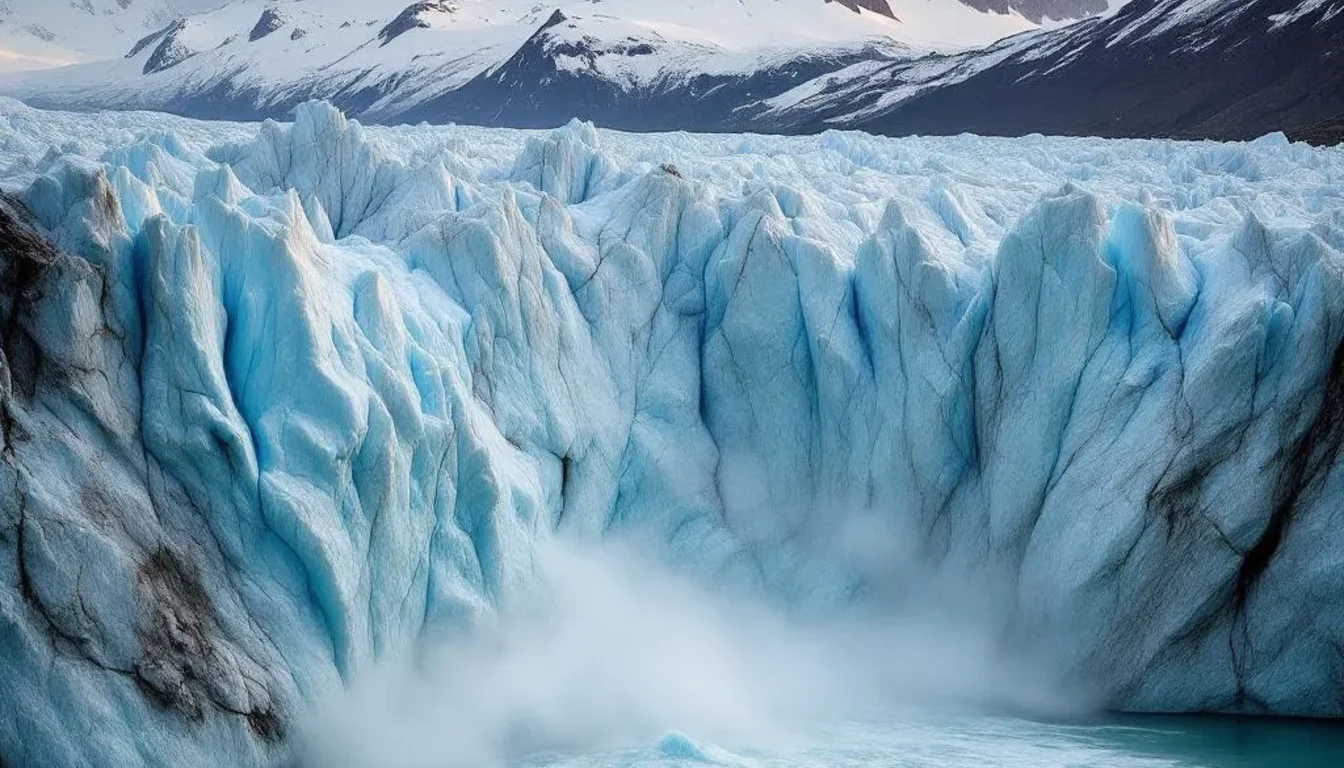
Table of Contents
What Is Climate Change?
Climate change is the long-term shift in global temperatures and weather patterns, primarily driven by human activities that release greenhouse gases into the atmosphere. Since the mid-1900s, Earth’s average temperature has risen approximately 1.1°C above pre-industrial levels, and this seemingly small increase has profound implications for weather systems, ecosystems, and human civilization. The Intergovernmental Panel on Climate Change (IPCC) reports that the past decade has been the warmest on record, with Arctic temperatures warming at roughly three times the global average rate—a phenomenon known as Arctic amplification. This guide explores what climate change is, how it works, the scientific evidence supporting it, its cascading effects across our planet, and the solutions being deployed globally.
For the most current data — temperature anomalies, CO₂ levels, renewable energy share, and disaster costs — see our Climate Change Statistics 2026 roundup.

Earth Has Always Changed—So Why Is This Different?
Earth’s climate has fluctuated throughout its 4.5-billion-year history due to natural cycles, volcanic eruptions, and variations in solar output. The planet has experienced ice ages and warm periods, with natural climate shifts typically occurring over thousands or millions of years. However, the current warming is fundamentally different in three critical ways: speed, magnitude, and cause.
The current warming is happening roughly 10 times faster than the typical warming rate that followed past ice ages. While natural climate transitions unfolded over millennia, allowing ecosystems time to adapt and migrate, modern warming has compressed dramatic temperature changes into a single human lifetime. Additionally, the scale of human influence is unprecedented. The isotopic signature of atmospheric carbon dioxide—specifically the ratio of carbon-12 to carbon-13—proves that modern CO2 increases come from burning fossil fuels rather than natural sources like ocean outgassing or volcanic activity. For the past 800,000 years, atmospheric CO2 never exceeded 300 parts per million, but today it exceeds 420 ppm, a level higher than any point in human civilization.
Scientists distinguish between natural climate variability and anthropogenic (human-caused) climate change by examining multiple lines of evidence simultaneously. When solar output decreased slightly during the period from 1950 to 2000, we would expect global temperatures to cool if solar changes were the primary driver. Instead, temperatures rose, suggesting the warming was driven by something else—greenhouse gases. This counterintuitive observation, combined with atmospheric chemistry, ice core records, and historical documentation of fossil fuel combustion, leaves no doubt about the human cause.
The Greenhouse Effect: How Our Atmosphere Traps Heat
Understanding climate change requires understanding thermodynamics and how Earth’s atmosphere functions. The greenhouse effect itself is not a problem—without it, Earth’s average temperature would be -18°C (-0.4°F) instead of the habitable 15°C (59°F) we experience today. The issue is that human activities have intensified this natural phenomenon.
Sunlight enters Earth’s atmosphere and warms the planet’s surface. The warmed surface then radiates infrared radiation (heat) back toward space. Greenhouse gases—primarily carbon dioxide (CO2), methane (CH4), and nitrous oxide (N2O)—absorb this outgoing infrared radiation and re-radiate it in all directions, including back toward Earth’s surface. This creates a warming effect analogous to how a greenhouse’s glass prevents heat from escaping. The problem is not the existence of greenhouse gases but their concentration. As we add more CO2 and methane to the atmosphere, the atmosphere becomes increasingly opaque to infrared radiation, trapping more heat.
Carbon dioxide is the most important greenhouse gas for long-term climate change because it remains in the atmosphere for 300 to 1,000 years. Methane is about 25-28 times more potent at trapping heat than CO2 over a 100-year period but only persists for about 12 years. Nitrous oxide is roughly 300 times more potent but exists in much lower concentrations. Scientists measure the warming potential of each gas relative to CO2, creating a metric called Global Warming Potential (GWP). Understanding these differences is essential because climate mitigation strategies must address each gas differently.
Human Sources: Where the Greenhouse Gases Come From
Fossil fuel combustion is the dominant source of modern CO2 emissions, accounting for roughly 75% of global greenhouse gas emissions. The burning of coal, oil, and natural gas for electricity, transportation, manufacturing, and heating releases carbon that has been sequestered underground for millions of years. When we burn one ton of coal, we release approximately 2.4 tons of CO2 into the atmosphere because we’re adding the weight of oxygen molecules to the carbon.
Beyond energy production, deforestation ranks as the second-largest source of CO2 emissions. Trees absorb CO2 through photosynthesis and store carbon in their wood. When we clear forests—typically for agriculture or cattle ranching—we simultaneously eliminate the carbon-absorbing capacity while often burning the wood, releasing stored carbon. The Amazon rainforest alone stores approximately 150-200 billion tons of carbon. Clearing just 10% of it significantly weakens the region’s ability to regulate meteorology patterns across South America and beyond.
Agriculture contributes substantially through multiple pathways. Livestock farming produces methane through the digestive processes of cattle and sheep—a single cow produces roughly 200-500 liters of methane daily. Rice paddies emit methane from anaerobic decomposition in waterlogged soil. Fertilizer application releases nitrous oxide. Industrial agriculture also requires fossil fuel-powered machinery and transport. Food production currently accounts for roughly 26% of global greenhouse gas emissions, making it a critical lever for climate change mitigation.
Industrial processes, cement production, and chemical manufacturing release additional greenhouse gases. Cement production alone accounts for about 8% of global CO2 emissions because creating cement requires heating limestone to extreme temperatures, releasing CO2 both from the chemical reaction and the fuel burned for heat. Expanding our global built infrastructure paradoxically accelerates climate change.
Scientific Evidence: How We Know Climate Change Is Real and Human-Caused
Climate science relies on multiple independent lines of evidence, each pointing to the same conclusion: the climate is warming, and human activities are responsible.
Temperature Records: Global surface temperature measurements from weather stations, ships, and satellites show consistent warming since 1880. The past decade (2016-2025) represents the warmest period on instrumental record. While critics point to record heat in the 1930s, those measurements lacked global coverage and relied on less accurate instrumentation. Modern measurements, calibrated across hemispheres and altitudes, show unambiguous warming.
Ice Cores and Paleoclimate Data: Scientists drill ice cores from Antarctica and Greenland, extracting ice that fell as snow hundreds of thousands of years ago. Trapped air bubbles contain atmospheric samples from those ancient times. By analyzing these bubbles, scientists can measure CO2 concentrations back 800,000 years. These records show that CO2 and temperature moved in lockstep—when CO2 increased, temperature rose; when CO2 decreased, temperature fell. Today’s CO2 levels exceed anything in this 800,000-year record, and they’re rising faster than any point in human civilization.
Sea Level Rise: As oceans warm, water expands (thermal expansion), and melting ice sheets contribute additional water. Sea levels have risen approximately 8-9 inches (21-24 centimeters) since 1880, with the rate of rise accelerating. Satellite measurements since 1993 show sea level rising at roughly 3.4 millimeters annually, double the 20th-century average. This rise directly threatens coastal communities and island nations.
Atmospheric Chemistry: The carbon-13 to carbon-12 isotope ratio in atmospheric CO2 changed distinctly around 1850 when industrial fossil fuel combustion began. Fossil fuels contain less carbon-13 than modern plants because the carbon was sequestered before carbon-13 production changed. This isotopic fingerprint proves modern CO2 comes from burning ancient carbon, not from natural cycles like ocean outgassing.
Ecological Shifts: Species migration patterns confirm warming. Birds breed earlier in spring, plants flower on different schedules, and species ranges shift toward cooler regions (higher altitudes or higher latitudes). These changes occur before human observers consciously track climate, proving they result from physical warming rather than observer bias.
Glacier Retreat: Mountain glaciers worldwide have retreated dramatically. The Greenland Ice Sheet loses roughly 280 billion tons of ice annually, and the Antarctic Ice Sheet loses approximately 150 billion tons annually. While some variability exists, the long-term trend is unambiguous.
The Cascading Effects: How Climate Change Reshapes Our World
Climate change doesn’t simply mean “it gets warmer everywhere.” Instead, warming triggers a cascade of interconnected changes affecting weather patterns, oceanography, ecosystems, and human systems.
Extreme Weather Events: Warmer temperatures provide more energy to weather systems, intensifying hurricanes, creating more severe droughts, and producing stronger precipitation events. While individual storms cannot be directly attributed to climate change, the frequency and intensity of extreme events increases with warming. The 2021 Pacific Northwest heat dome—where temperatures reached 49.6°C (121.3°F) in British Columbia—would have been virtually impossible without climate change. Heavy precipitation events have increased by roughly 7% per degree Celsius of warming.
Ocean Acidification: The ocean absorbs roughly 25% of atmospheric CO2. When CO2 dissolves in seawater, it forms carbonic acid, lowering ocean pH. Ocean pH has decreased by 0.1 units since pre-industrial times, representing a 30% increase in acidity. This seemingly small change threatens organisms with calcium carbonate shells—pteropods, corals, and shellfish larvae struggle to build shells in more acidic conditions. Coral bleaching events, where corals expel their symbiotic algae under thermal stress, have devastated reef ecosystems. The 2016 global coral bleaching event affected roughly 30% of the world’s reefs, with some regions losing 90% of coral cover.
Disrupted Water Cycles: Climate change alters precipitation patterns, creating droughts in some regions and floods in others. The atmospheric water cycle intensifies because warmer air holds approximately 7% more moisture per degree Celsius of warming. This increases atmospheric water vapor, which intensifies both droughts (by pulling moisture from soil) and rainfall events. Mountain regions lose snow and ice cover, disrupting water supplies for billions of people who depend on seasonal snowmelt—particularly in Asia, where the Tibetan Plateau’s glaciers supply water to most of Asia’s major river systems.
Ecosystem Disruption: Species extinctions accelerate as habitats warm faster than species can adapt or migrate. The current extinction rate is roughly 100 to 1,000 times higher than background extinction rates in Earth’s fossil record. Phenological mismatches occur when predators and prey breed on different schedules—if caterpillars emerge before birds return from migration, bird populations decline. Forest composition shifts as tree species migrate toward cooler regions, and ecology networks unravel as interdependent species fall out of synchronization.
Agricultural Impacts: Crop yields for staple crops like wheat, rice, and corn decline in warming scenarios. Heat stress reduces photosynthetic efficiency, pest ranges expand, and water availability becomes unpredictable. Roughly 821 million people currently face hunger; climate change threatens to increase this figure substantially. Meanwhile, food price volatility increases social instability.
Tipping Points: The Irreversible Changes We Risk
Climate systems contain tipping points—thresholds beyond which changes become self-reinforcing and potentially irreversible on human timescales. Understanding these points clarifies why climate scientists emphasize limiting warming to 1.5°C.
Arctic Sea Ice Loss: As sea ice melts, the exposed dark ocean absorbs more solar radiation than reflective ice, accelerating melting further—a positive feedback loop. Once Arctic summer sea ice disappears entirely (which could occur if warming exceeds 1.5°C), the feedback mechanism shifts the climate system into a warmer state.
Greenland Ice Sheet Collapse: The Greenland Ice Sheet contains enough ice to raise sea levels by 7.4 meters if completely melted. Current melting rates accelerate due to meltwater lubricating the bedrock below, enabling faster ice flow. Beyond roughly 1.5-2°C of warming, this melting may become unstoppable, committing future generations to catastrophic sea level rise lasting centuries.
Atlantic Meridional Overturning Circulation (AMOC): The conveyor belt of ocean currents that includes the Gulf Stream has weakened by 15% since the 1950s as freshwater from melting ice dilutes the North Atlantic, reducing water density and disrupting the circulation. If AMOC collapses, European winters become dramatically colder despite global warming, precipitation patterns shift unpredictably, and global thermodynamics enters uncharted territory.
Amazon Rainforest Dieback: The Amazon generates roughly half its own rainfall through evapotranspiration. Beyond a certain warming threshold (estimated between 1.5-2°C), the forest transitions from rainforest to savanna, releasing stored carbon and eliminating a crucial carbon sink. This feedback accelerates global warming.
Mitigation Strategies: How We Reduce Future Warming
Addressing climate change requires simultaneously reducing emissions (mitigation) and adapting to impacts already locked in (adaptation). Mitigation strategies operate at multiple scales.
Renewable Energy Transition: Replacing fossil fuel-based electricity generation with solar, wind, and hydroelectric power eliminates combustion emissions. Wind and solar are increasingly cost-competitive with fossil fuels, with photovoltaic costs declining 90% since 2010. However, renewable energy only addresses electricity generation, which represents roughly 25% of energy use. Transportation, heating, and industrial processes require additional solutions. Electric vehicles reduce emissions, though benefits depend on the electricity grid’s carbon intensity.
Energy Efficiency: Buildings consume roughly 30% of energy globally. Improving insulation, using efficient heating/cooling systems, and installing LED lighting reduce energy demand 40-50% in existing buildings. Industrial energy efficiency improvements and smart manufacturing reduce emissions while often improving profitability.
Carbon Capture and Storage (CCS): Technologies capture CO2 from power plant exhaust (point-source capture) or directly from ambient air (direct air capture). Captured CO2 can be permanently stored in geological formations or utilized in industrial processes. While promising, current CCS deployment remains limited by cost (roughly $100-600 per ton of CO2 captured). Scaling this technology requires substantial investment and technological breakthroughs.
Reforestation and Afforestation: Protecting existing forests and planting new ones increases carbon sequestration. Forests absorb roughly 10 gigatons of CO2 annually globally but lose this benefit when cleared. Restoring degraded land to forest cover offers co-benefits including habitat restoration, watershed protection, and rural livelihoods. However, reforestation alone cannot replace emissions reductions—the rate at which we emit CO2 far exceeds reforestation’s sequestration capacity.
Circular Economy: Shifting from a linear “take-make-waste” economy to circular systems where materials are reused, refurbished, and recycled reduces manufacturing emissions. Material extraction and processing account for roughly 50% of global emissions; redesigning products for durability and recyclability offers significant savings.
International Agreements: The Paris Agreement (2015) commits signatory nations to limiting warming to 1.5-2°C. While non-binding, the framework creates accountability mechanisms. The Kyoto Protocol (1997) was earlier but narrower in scope. Current commitments remain insufficient to achieve Paris Agreement goals; nations would need to reduce emissions 45% below 2010 levels by 2030 to limit warming to 1.5°C—a target few countries currently meet.
What Individuals Can Do: Personal Actions Matter
While systemic change requires government and corporate action, individual choices collectively influence emissions and create political pressure for climate action.
Transportation Choices: Shifting from driving alone to electric vehicles, public transit, cycling, or walking reduces transportation emissions. Air travel represents roughly 2-3% of global emissions, so reducing unnecessary flights substantially lowers personal carbon footprints.
Dietary Changes: Reducing meat consumption, particularly beef, decreases agricultural emissions. Cattle farming is exceptionally carbon-intensive due to methane production and land use. A dietary shift toward plant-based foods reduces an individual’s food-related emissions 50-75%.
Home Energy: Improving home insulation, using heat pumps instead of natural gas heating, installing solar panels, and switching to renewable electricity dramatically reduce residential emissions.
Consumption Patterns: Purchasing durable goods, buying secondhand items, and minimizing single-use plastics reduce manufacturing emissions. Consumer demand shapes corporate production decisions; supporting sustainable businesses accelerates sustainability transitions.
Political Engagement: Voting for climate-conscious politicians, advocating for climate policy, and supporting climate organizations amplify individual impact beyond direct emissions reductions. Institutional change requires political will.
The Path Forward: Why Climate Action Remains Possible
Despite the urgency and the challenges, climate change remains addressable. The IPCC reports that limiting warming to 1.5°C requires rapid, far-reaching transitions in energy, land use, infrastructure, and industrial systems. This is technically and economically possible, but political will is the limiting factor.
Renewable energy costs continue declining while efficiency improves. Electric vehicle adoption accelerates exponentially. Major corporations commit to net-zero emissions. Young generations increasingly prioritize climate action in their career and consumer choices. These trends, while insufficient at current pace, demonstrate that transformation is possible.
Climate change will be the defining challenge of the 21st century. Every fraction of a degree of warming we prevent eliminates millions of people facing water scarcity, reduces species extinctions, prevents ecosystem collapses, and preserves the stability our civilization depends upon. Understanding climate change—its causes, mechanisms, evidence, and solutions—empowers individuals and societies to respond effectively. The science is clear, the solutions exist, and the time to act is now.
Frequently Asked Questions
Is climate change caused by humans?
Yes, according to the Intergovernmental Panel on Climate Change (IPCC), it is unequivocal that human influence has warmed the climate system. The primary driver is the emission of greenhouse gases from burning fossil fuels, deforestation, and industrial activities. While Earth's climate has changed naturally in the past due to solar cycles and volcanic activity, current warming is occurring 10 times faster than the average ice-age recovery rate, and 97% of climate scientists agree on human causation. The isotopic composition of atmospheric CO2 directly links modern increases to fossil fuel combustion, providing concrete chemical evidence of anthropogenic influence.
What is the difference between climate change and global warming?
Global warming specifically refers to the increase in Earth's average temperature, while climate change encompasses all the consequences of that warming—altered precipitation patterns, shifting seasons, changing wind patterns, and disrupted ecosystems. Global warming is the cause; climate change is the broader effect. You might think of it this way: global warming is the thermometer rising, while climate change describes everything that happens as a result—extreme weather events, ecosystem shifts, and weather pattern disruptions. The term 'climate change' is preferred by scientists because it accurately describes the complex, multifaceted impacts beyond simply hotter temperatures.
Can we reverse climate change?
Complete reversal would require centuries because CO2 persists in the atmosphere for 300-1,000 years. However, we can stabilize atmospheric CO2 concentrations and prevent catastrophic tipping points by aggressively reducing emissions. Transitioning to renewable energy, protecting forests, and implementing carbon capture technology can slow warming significantly. Some impacts—like ice sheet loss or species extinction—may be irreversible on human timescales, but limiting warming to 1.5°C instead of 3°C would prevent substantially more damage. The critical goal isn't reversing what's happened but preventing it from getting worse through rapid decarbonization and adaptation strategies.
How does climate change affect me personally?
Climate change impacts everyone through multiple pathways: extreme heat increases heat-related illness and mortality; altered precipitation affects food prices and availability; flooding and storms damage homes and infrastructure; vector-borne diseases like malaria and dengue expand into new regions; air quality deteriorates from increased wildfires and ground-level ozone; mental health suffers from climate anxiety and disaster-induced trauma; and economic costs rise through insurance premiums, property damage, and healthcare expenses. Low-income communities face disproportionate risks. Coastal residents face flooding risks, while those in agricultural regions face crop failures. Even if you live in a 'climate-resilient' area, global supply chains mean climate disruptions elsewhere directly affect prices and availability of goods you depend on.
What is the Paris Agreement?
The Paris Agreement, adopted in 2015, is an international treaty signed by 195 countries committing to limit global warming to well below 2°C above pre-industrial levels, with efforts to limit it to 1.5°C. Each country sets its own emissions reduction targets called Nationally Determined Contributions (NDCs). Unlike previous climate accords, the Paris Agreement doesn't mandate specific reductions but creates a framework for accountability through regular reporting and review cycles. The agreement recognizes climate justice principles, acknowledging that developed nations bear responsibility for historical emissions. It includes mechanisms for climate finance to help developing nations transition to clean energy and adapt to climate impacts. The agreement came into force in 2016 and continues to shape global climate policy.
Further Reading
Cite this article
APA
WhatIs.site. (2026). What Is Climate Change?. Retrieved May 27, 2026, from https://whatis.site/climate-change MLA
"What Is Climate Change?." WhatIs.site, March 15, 2026, https://whatis.site/climate-change. Accessed May 27, 2026. Chicago
WhatIs.site. "What Is Climate Change?." Last modified May 12, 2026. https://whatis.site/climate-change. HTML
<a href="https://whatis.site/climate-change">What Is Climate Change?</a> — WhatIs.site Related Articles
What Is Ecology?
Ecology is the branch of biology that studies the relationships between living organisms and their physical environment, examining how individuals.
scienceWhat Is Meteorology?
Meteorology is the scientific study of the atmosphere and weather. Learn how forecasting works, storm science, climate vs. weather, and career options.
scienceWhat Is Oceanography?
Oceanography studies the ocean's physics, chemistry, biology, and geology. Learn how ocean science explains climate, ecosystems, and Earth's water systems.
scienceWhat Is Thermodynamics?
Thermodynamics is the branch of physics studying heat, energy, work, and entropy. Learn about its four laws, engines, and why perpetual motion machines are.
scienceWhat Is Dendrology?
Dendrology is the scientific study of trees and woody plants, covering identification, classification, ecology, and conservation. Learn what dendrologists do.